Everything You Need to Know About Self Solemnization Colorado Weddings
Self-solemnization in Colorado means you and your partner can legally marry yourselves without an officiant, witnesses, or anyone else present — and your marriage carries the exact same legal weight as any traditional ceremony. Colorado is one of only nine states that allows this straightforward process, making it a popular choice for couples seeking complete control over their wedding ceremony.
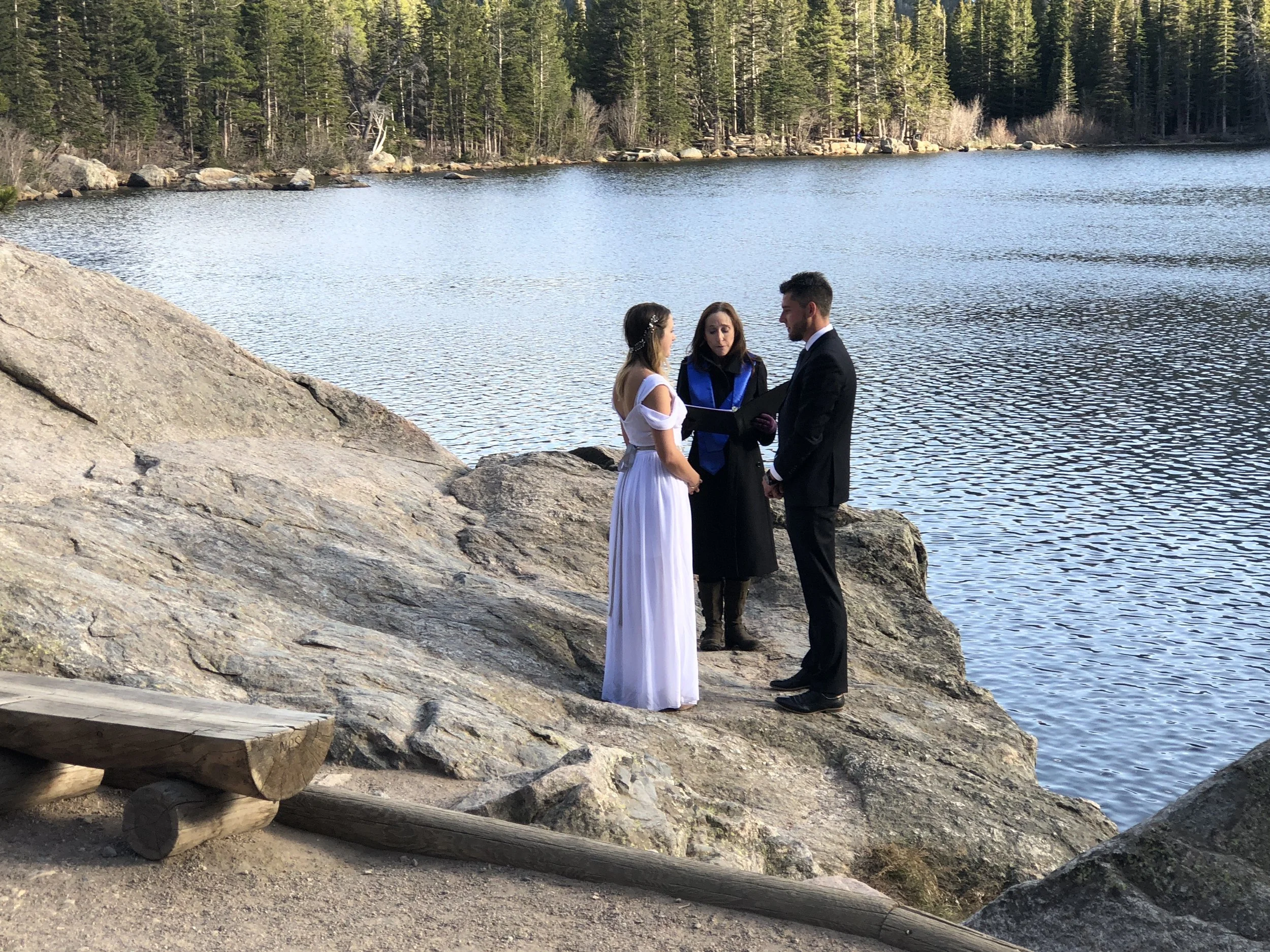
This guide walks you through everything from getting your marriage license to choosing ceremony locations, plus practical insights from years of working with Colorado couples who've chosen this path.
What is self solemnization in Colorado
Self-solemnization means you and your partner legally marry yourselves without an officiant, witnesses, or anyone else present. Colorado is one of only nine states that allows this, and your marriage carries the exact same legal weight as any traditional ceremony performed by a judge or religious leader.
Here's how it works: you get a marriage license, perform your ceremony however you want, then sign the license yourselves. You're both the couple getting married and the people performing the ceremony. It's that straightforward.
What sets Colorado apart from other self-solemnizing states is the simplicity. Pennsylvania requires you to belong to certain religious groups. Illinois has additional paperwork. Colorado just asks that you declare your intent to marry each other, and the state considers that legally binding.
I've worked with couples who discovered self-solemnization after months of searching for an officiant who understood their interfaith background or non-traditional beliefs. Others stumbled across it while researching Colorado elopement options and realized it perfectly matched what they actually wanted — a ceremony focused entirely on their relationship.
Why couples choose self solemnization for their Colorado wedding
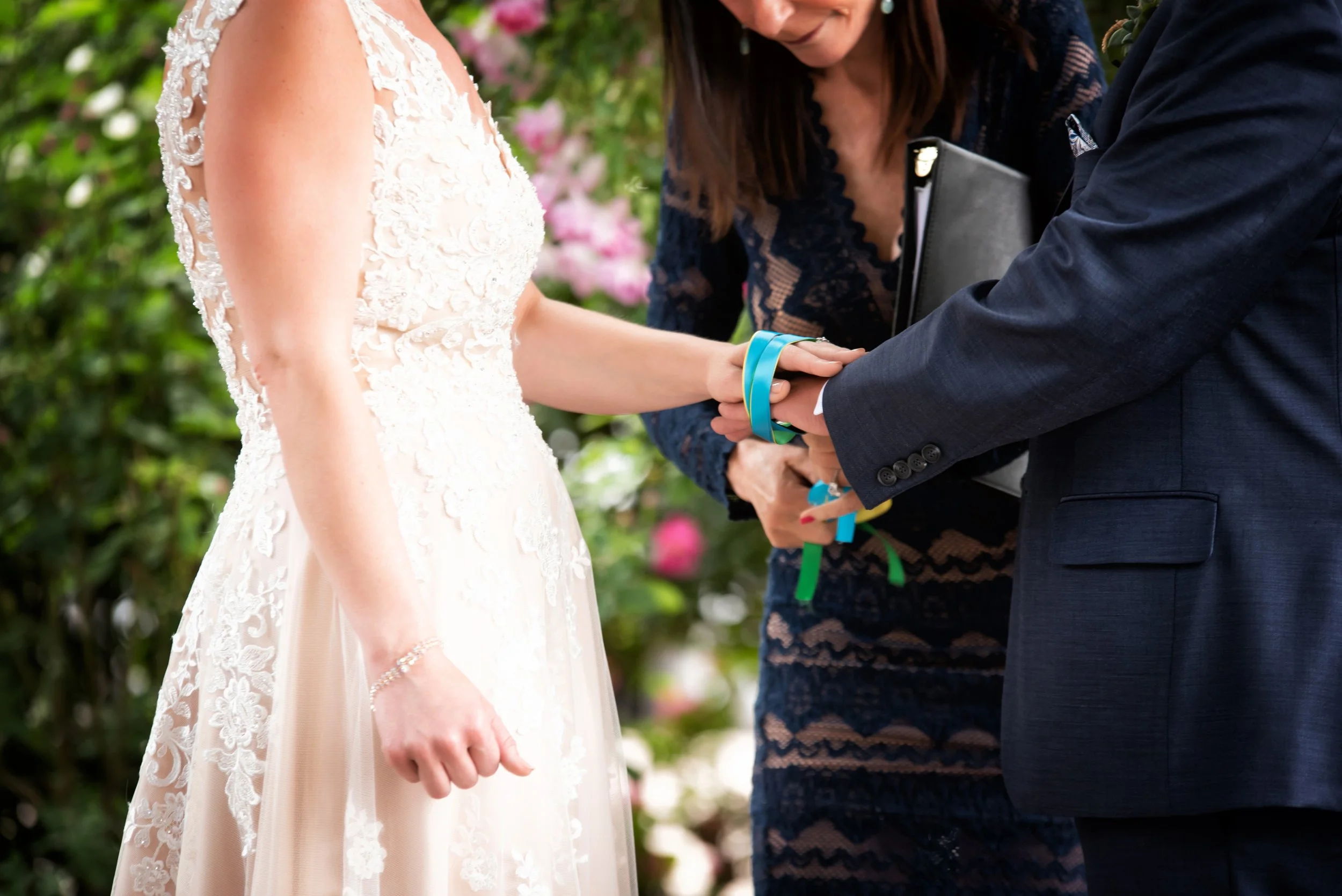
The freedom to craft your ceremony entirely around your relationship draws most couples to self-solemnization. You're not working within someone else's religious framework, legal script, or timeline constraints.
Many couples tell me they felt relieved when they learned about self-solemnization. One couple I worked with had spent weeks trying to find an officiant who could honor both their Jewish and Hindu traditions without making either feel watered down. Self-solemnization let them create something authentic to both backgrounds.
Cost savings matter too:
Officiant fees eliminated: Saves $500-$2,000 typically spent on ceremony officiants
Simplified logistics: Fewer vendor schedules to coordinate
Flexible timing: No need to work around an officiant's availability
The intimacy factor can't be overstated. When it's just the two of you exchanging vows on a mountaintop or beside Brainard Lake, there's an intensity that's hard to replicate with someone else guiding the moment. Even couples who invite guests find that self-solemnizing creates a more personal atmosphere.
Colorado's outdoor wedding culture aligns perfectly with self-solemnization. The state's natural settings — from Garden of the Gods to Maroon Bells — provide such powerful backdrops that many couples feel they don't need additional ceremony elements to create meaning.
How to get a Colorado marriage license for self solemnization
Apply online through your county
Colorado's online marriage license application streamlines the initial process significantly. You'll both complete the application together, providing basic information like full names, birthdates, social security numbers, and parents' names.
The system saves your progress if you need to gather additional information. Most couples finish the online portion in about 15 minutes.
Visit the county clerk's office in person
Both partners appear together at any Colorado county clerk's office to finalize your license. You can apply in any county — it doesn't matter where you live or plan to have your ceremony.
Bring valid photo identification and be prepared to pay the license fee. If either of you has been previously married, bring documentation showing how that marriage ended.
The clerk reviews your application, verifies your identities, and issues your marriage license immediately. The entire process typically takes 15-30 minutes unless there's a line.
Understanding timing requirements and fees
Your marriage license becomes valid immediately — Colorado has no waiting period. However, you have exactly 35 days from the issue date to perform your ceremony and return the signed license.
License fees vary by county. Most charge between $30-$50. Some counties accept cash only, others take cards. Call ahead to confirm payment methods.
The 35-day window gives you flexibility but requires planning. If you don't use your license within that timeframe, it expires and you'll start the process over.
Your step by step guide to self solemnizing in Colorado
1. Obtain your marriage license
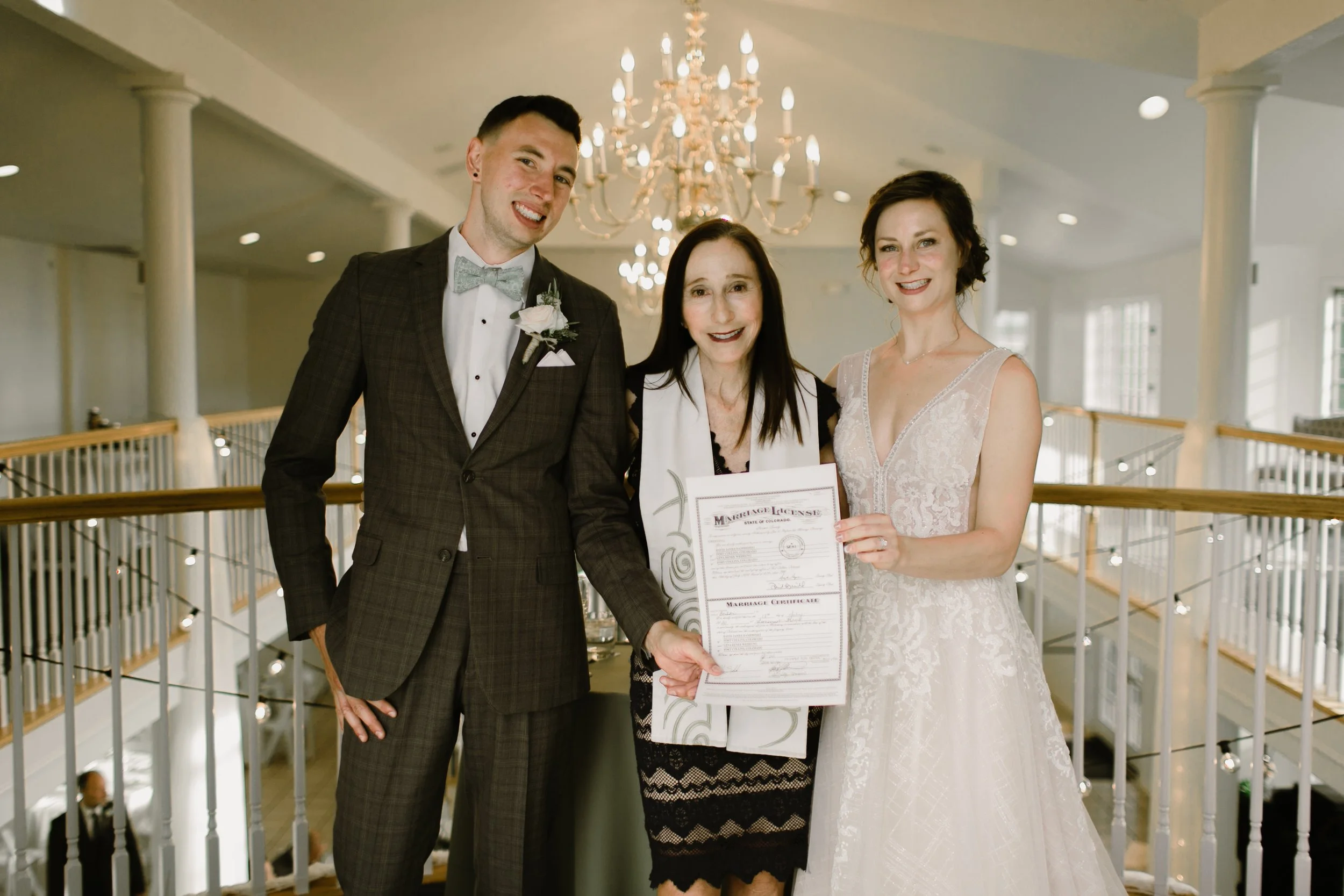
Choose which county clerk's office you'll visit first. Remember, you can use any Colorado county regardless of where you live or plan to marry. Complete the online application together, then schedule your in-person visit.
Plan for the clerk's office visit to take about an hour total, including potential wait time. Bring your IDs, any required divorce or death certificates, and payment for the license fee.
2. Plan your ceremony within 35 days
Your ceremony can happen anywhere in Colorado — public lands, private property, or rented venues. If you're planning an outdoor ceremony on public land, research permit requirements, especially for popular spots like Rocky Mountain National Park.
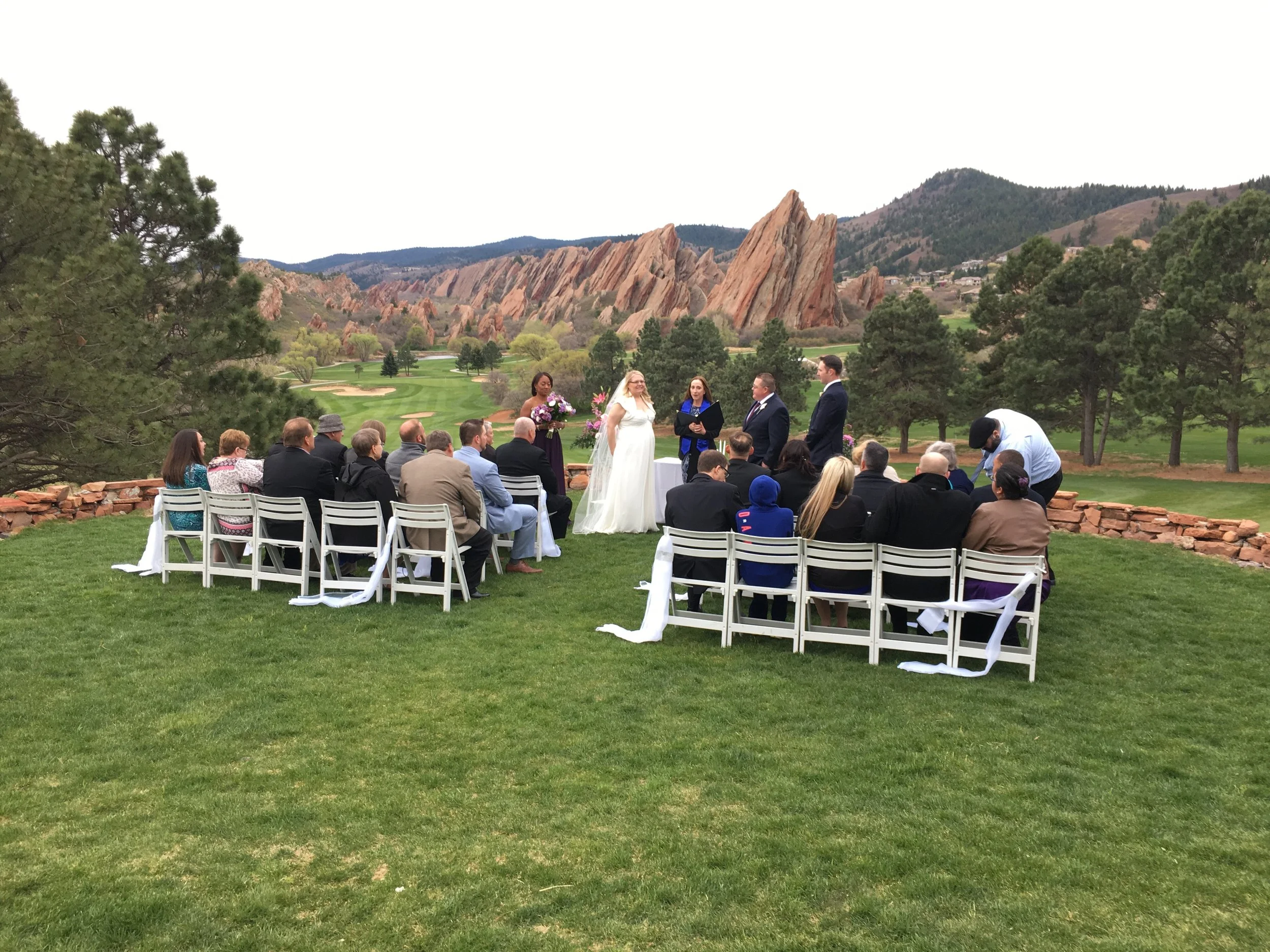
Write your vows, plan any unity ceremonies you want to include, and consider practical elements like seating and weather backup plans if you're inviting guests.
3. Exchange vows and sign your license
During your ceremony, you'll both sign the marriage license as the couple and also in the officiant section. The license includes space for two witnesses, but Colorado doesn't require witnesses for self-solemnized marriages — you can leave those lines blank.
The signing can happen before, during, or after your vow exchange. Some couples make the signing part of their ceremony, while others handle it privately afterward.
4. Return your completed license to the county
You have 63 days from your ceremony date to return the signed license to any Colorado county clerk's office. You can return it to the same county where you obtained it or a different one.
Most counties accept mailed returns, but call to confirm their specific requirements. Once processed, you'll receive your official marriage certificate, which serves as legal proof of your marriage.
Self solemnization ceremony ideas that feel authentically you
Writing your own vows becomes even more meaningful when you're self-solemnizing because there's no prescribed format to follow. You might exchange traditional vows, write personal letters to read aloud, or create a conversation where you take turns speaking from the heart.
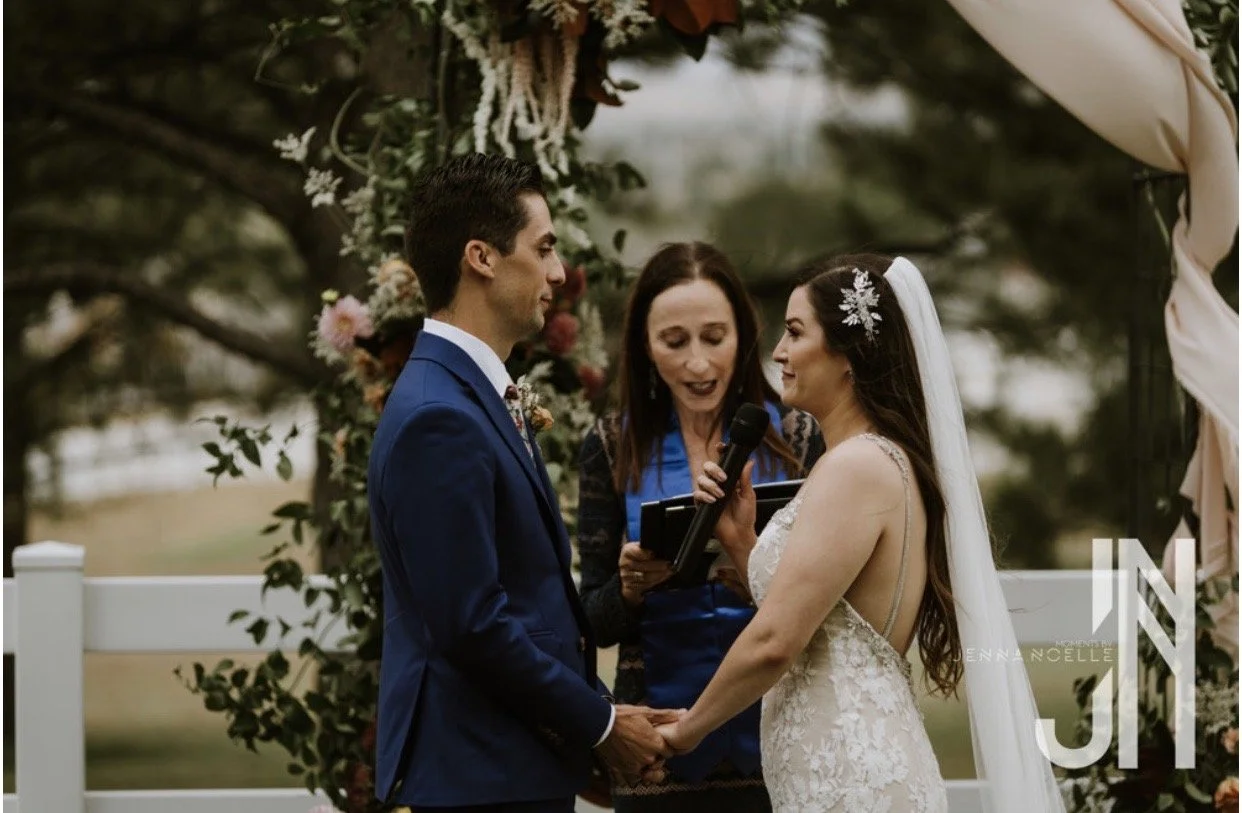
Unity ceremonies work beautifully in Colorado's natural settings. Instead of lighting candles that might blow out in mountain winds, consider blending sand from meaningful places, planting a tree together, or creating a stone cairn you can visit on future anniversaries.
Many couples incorporate elements that reflect their shared interests or Colorado's landscape. I've seen couples exchange vows while rock climbing, share a sunrise ceremony on Mount Elbert, or create a ceremony around a favorite hiking trail that holds meaning for their relationship.
Weather-appropriate rituals work best in Colorado:
Stone or wood exchanges instead of rings in cold weather
Handfasting with natural materials like leather or hemp
Sharing hot cocoa as a unity ritual
Creating art together with Colorado materials like aspen leaves
The key is choosing elements that feel authentic to your relationship rather than including traditions because you think you're supposed to. Self-solemnization gives you complete freedom to honor what matters most to you both.
Best Colorado locations for self solemnized ceremonies
Colorado's diverse landscapes offer countless ceremony possibilities, from intimate alpine lakes to dramatic red rock formations. Sapphire Point near Breckenridge provides stunning mountain views and relatively easy access for guests who want to attend.
Garden of the Gods in Colorado Springs offers iconic red rock backdrops and multiple ceremony spots within the park. The contrast between the red rocks and blue sky creates incredible photography, and the park's accessibility makes it guest-friendly.
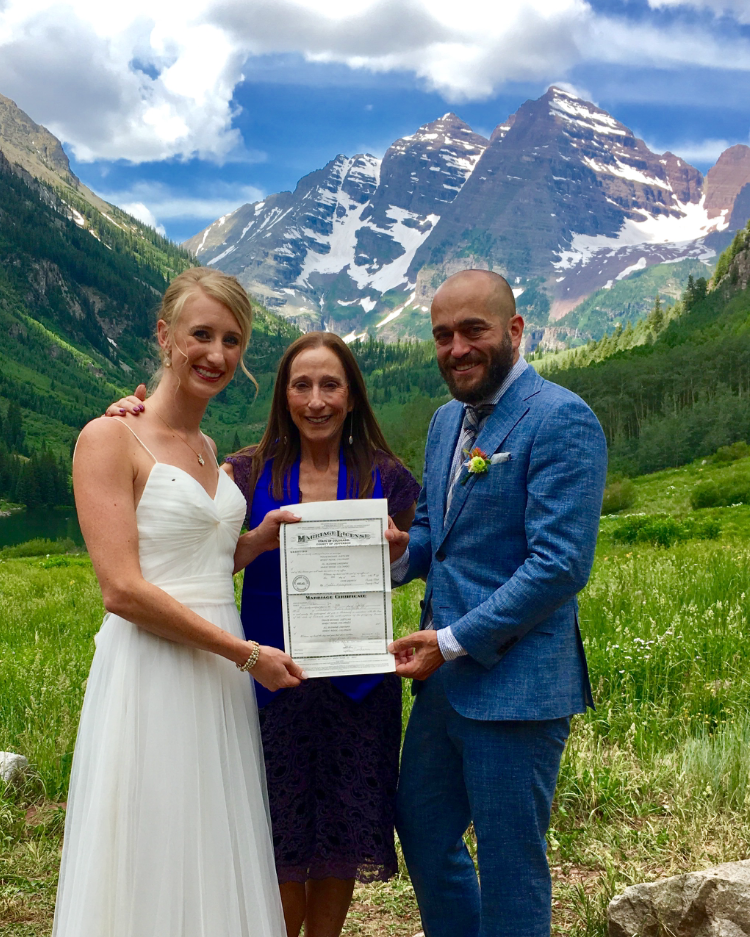
For couples seeking more adventure, locations like Maroon Bells, Lake Isabelle, or any of Colorado's fourteeners offer breathtaking settings. Keep in mind that higher altitude locations require more planning — guests from sea level often struggle above 8,000 feet, and weather can change rapidly.
Location considerations that matter:
Parking availability for your guest count
Restroom facilities nearby
Cell phone coverage for emergencies
Permit requirements and associated fees
Boulder couples often choose Chautauqua Park for its combination of mountain views and convenience. Denver area couples gravitate toward Red Rocks or Mount Evans. The key is balancing your vision with practical considerations like guest comfort and accessibility.
I've officiated ceremonies where couples chose locations based purely on Instagram photos, only to discover the hike was too challenging for their guests or the spot required permits they hadn't researched. A little advance planning prevents ceremony day stress.
What happens after you self solemnize your Colorado wedding
Once you've returned your signed marriage license, the county processes it and creates your official marriage certificate. Processing typically takes one to two weeks, though timing varies by county and season.
Your marriage certificate serves as legal proof of your marriage for all purposes — changing your name, updating insurance policies, filing joint tax returns, and other legal matters. Keep multiple certified copies, as many institutions require original certificates rather than photocopies.
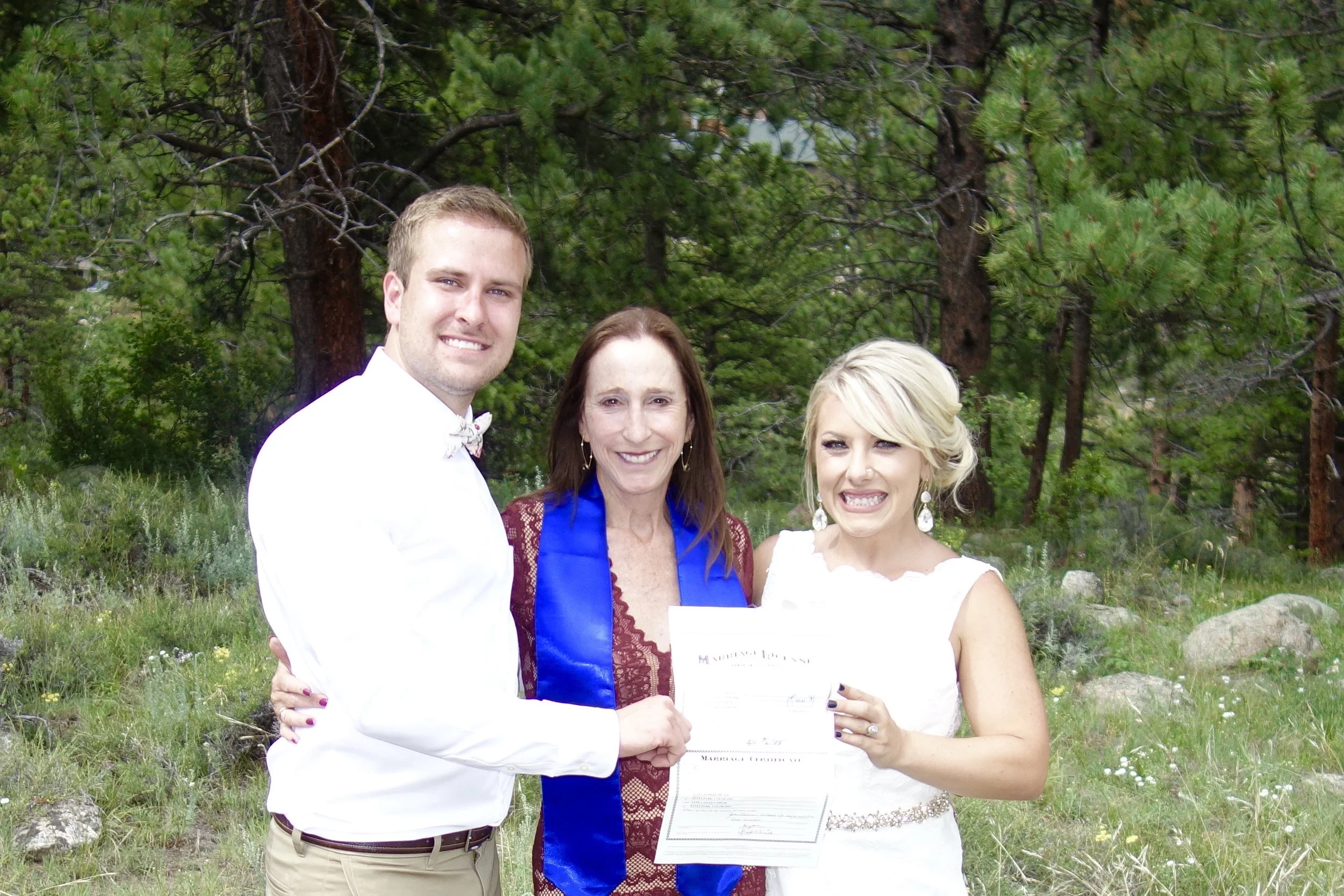
If you're planning to change your name, you can begin that process immediately after your ceremony using your signed marriage license. Banks, the Social Security Administration, and the DMV all accept the signed license as proof of marriage before you receive the official certificate.
Many self-solemnizing couples choose to have a larger celebration or reception after their intimate ceremony. This gives you both experiences — a deeply personal ceremony and the opportunity to celebrate with your broader community.
Getting professional guidance for your self solemnized ceremony
Even though you're performing your own ceremony, working with an experienced wedding professional can enhance your self-solemnization experience. A seasoned officiant can help you craft meaningful vows, suggest ceremony elements that work well in Colorado's outdoor settings, and provide guidance on timing and logistics.
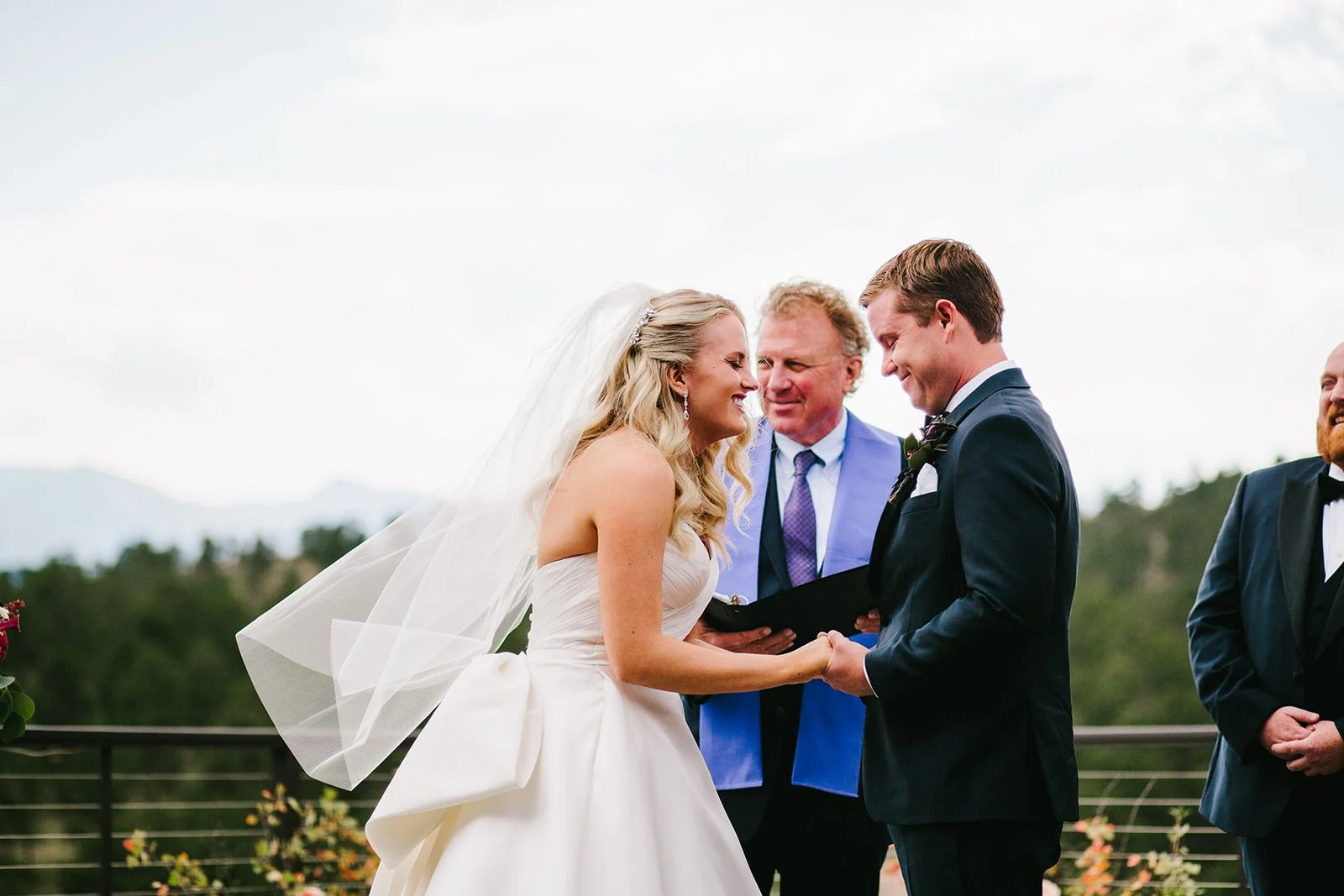
Many couples appreciate having someone review their ceremony plans, especially for outdoor locations where weather contingencies and guest comfort become crucial. Professional insight helps you avoid common pitfalls and create a more polished ceremony experience.
The collaboration often focuses on ceremony design rather than performance — helping you structure your vows, suggesting unity ceremonies that work in your chosen location, and providing backup plans for Colorado's unpredictable weather patterns.
At Jane's Personalized Weddings, we offer consultation services specifically for self-solemnizing couples who want professional guidance while maintaining complete control over their ceremony. This approach combines the intimacy of self-solemnization with the expertise that comes from hundreds of Colorado ceremonies.
Frequently asked questions about Colorado self solemnization
Can we have a reception after self solemnizing in Colorado?
Absolutely. Many couples host receptions, parties, or casual celebrations after their self-solemnized ceremony. You might have an intimate ceremony with just the two of you, then gather with family and friends later for dinner, dancing, or a backyard barbecue.
How do we explain self solemnization to family members?
Focus on the legal validity and personal meaning rather than what you're not doing. Explain that self-solemnization is fully legal in Colorado and allows you to create a ceremony that truly reflects your relationship and values.
What if the weather doesn't cooperate for our outdoor ceremony?
Colorado weather changes quickly, so always have a backup plan. This might mean identifying a covered pavilion nearby, bringing a pop-up tent, or being flexible with your timing. Many couples find that weather challenges become part of their unique story.
Can we work with a wedding professional and still self solemnize?
Yes. Many couples benefit from professional guidance while maintaining the self-solemnization format. A wedding professional can help with ceremony planning, vow writing, and logistics while you perform the actual ceremony yourselves.
Ready to start planning your self-solemnized Colorado wedding? Book your free consultation to explore how professional guidance can enhance your intimate ceremony experience.
