Samuel McCulloch Samuel McCulloch

Chautauqua Park Wedding and Elopement Guide 2026 Boulder Colorado

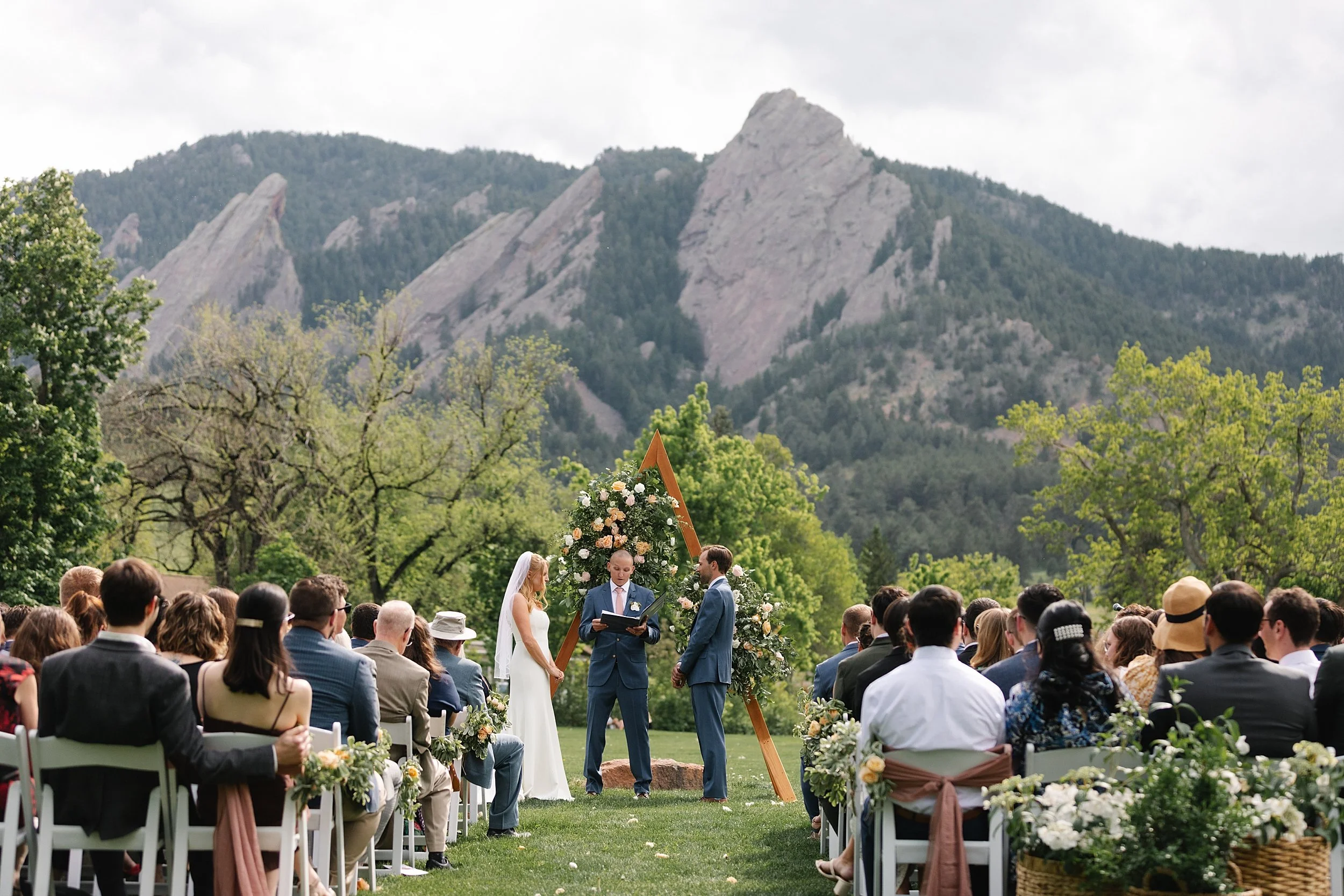
Standing at the base of the Flatirons with the people who matter most — that's the magic of a Chautauqua Park wedding. From OSMP permits to secret ceremony spots most couples miss, here's everything Jane has learned from dozens of ceremonies at Boulder's most beloved venue.
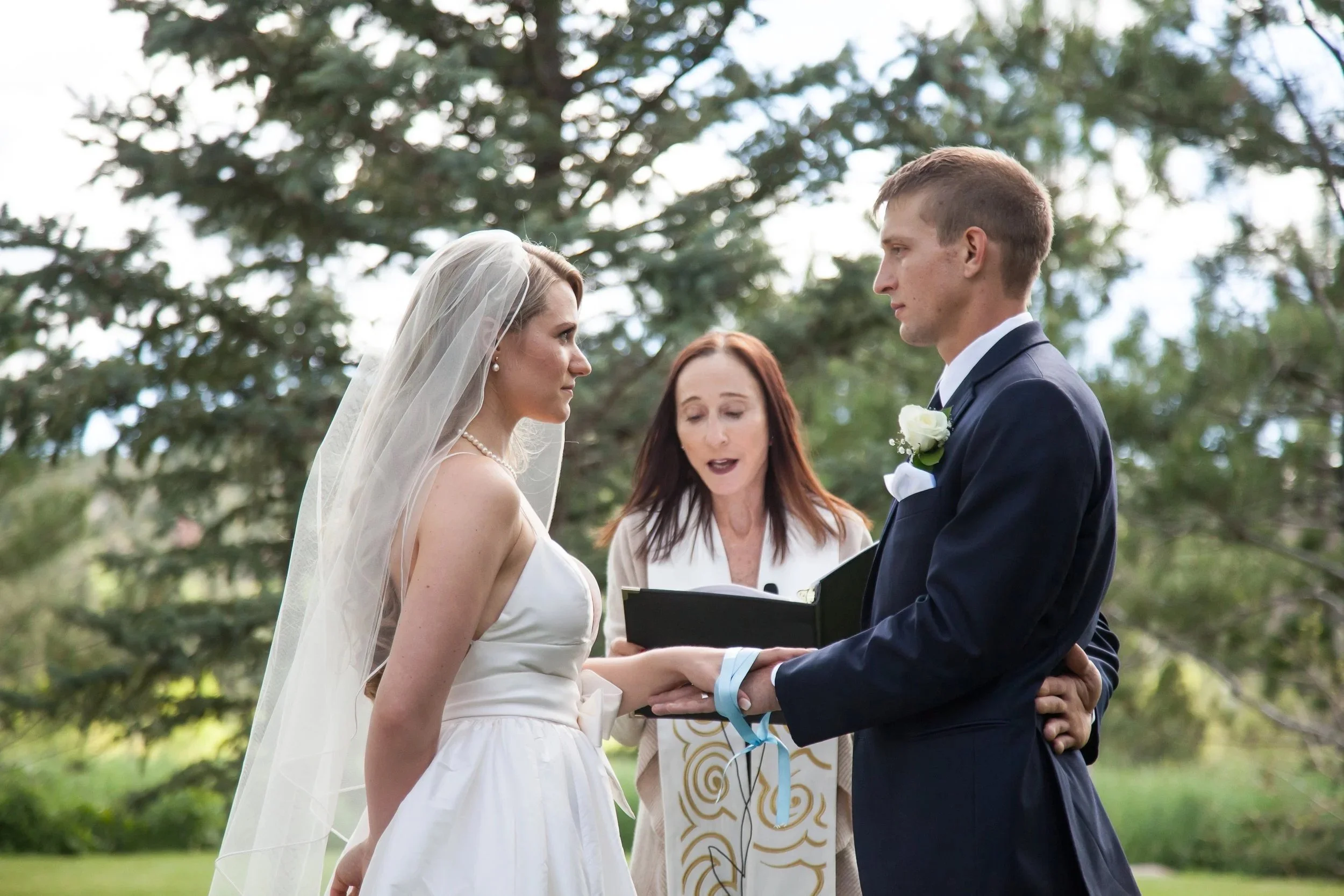
Standing at the base of the Flatirons with 75 of your favorite people watching you exchange vows — that's the magic of a Chautauqua Park wedding. After officiating dozens of ceremonies here since 1994, I've learned exactly what makes this historic Boulder venue work beautifully and what catches couples completely off guard.

From navigating OSMP permits to finding the perfect ceremony spot away from weekend hikers, this guide walks you through everything I wish couples knew before planning their Chautauqua celebration.

Why Couples Choose Chautauqua Park

I've performed over 40 ceremonies at Chautauqua Park, and I can tell you exactly what makes this spot different from every other Boulder venue. You get those famous Flatiron views without making your 80-year-old aunt hike for an hour. The historic Colorado Chautauqua buildings from 1898 add this old-timey mountain charm you won't find at newer venues.

What really sets Chautauqua apart is how flexible it is. Want just you two and a photographer? Pick any spot along the trails. Planning for 75 guests? The main lawn handles that beautifully. I've done sunrise elopements with just four people and afternoon celebrations with extended families — both felt perfectly at home here.

Here's what catches couples off guard though: this is a working public park. On a Saturday afternoon in July, you'll share your ceremony with hikers, tourists, and families having picnics. Some couples love that community feel. Others prefer the quiet intimacy of a 6 AM ceremony when you have the whole place to yourselves.

Permits You Need for a Chautauqua Wedding

Let me clear up the biggest confusion right away — whether you need a permit depends entirely on your group size and where you want to stand.

Ceremony permits

For groups under 12 people total (and yes, that includes you, your photographer, and me), you don't need any ceremony permit if you stay on the trails. Once you hit 13 people or want to use the lawn area, you'll need an OSMP permit. The permit costs $100 and gives you a specific 4-hour window between 8 AM and 5 PM.

Here's my advice after watching couples navigate this system: get the permit even for smaller groups. Last summer, I showed up to marry a couple at their chosen spot, only to find a yoga class had claimed it first. With a permit, that spot is yours.

Photography permits

Your photographer absolutely needs an OSMP commercial photography permit — no exceptions. Rangers do check, and I've seen them turn away photographers without permits. The good news? Most established Colorado photographers already have the $150 annual permit. Always ask before booking.

Marriage license requirements

Colorado keeps the legal stuff simple. Any county clerk's office will issue your license for $30 — no blood tests, no waiting period. The Boulder County Clerk at 1750 33rd Street takes about 20 minutes if you fill out the application online first.

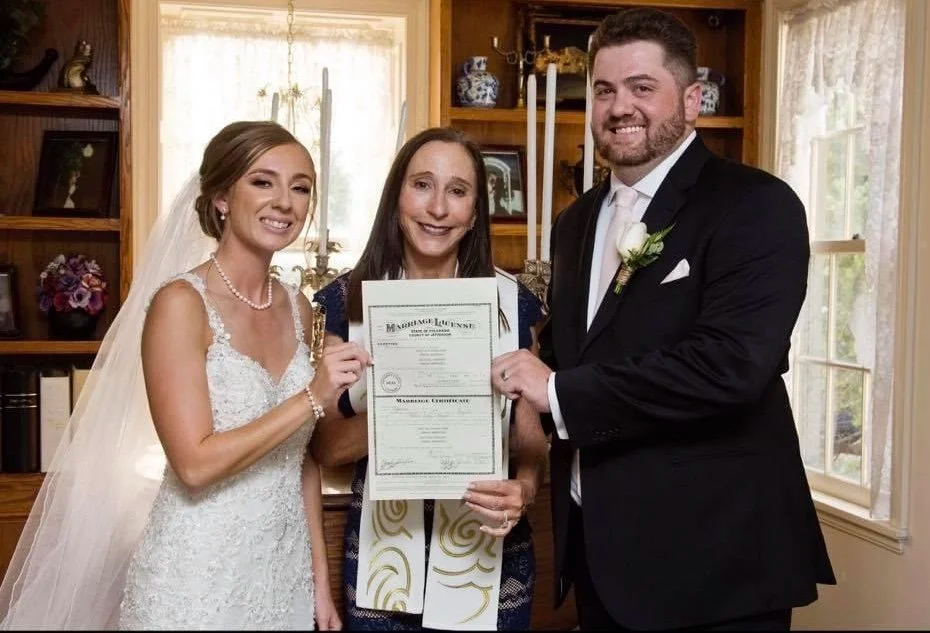
The quirky Colorado bonus? You can legally marry yourselves without an officiant. That said, most couples still want someone to guide the ceremony and help it feel like more than reading vows off your phone.

Chautauqua Park Wedding Costs

The beauty of Chautauqua is that the venue itself costs almost nothing. Your basic expenses break down like this:

  • Permit fee: $100 (only for 13+ people or lawn use)

  • Marriage license: $30

  • Photography permit: Usually included in photographer's fees

But here's where real costs sneak in. Parking is so limited that most couples rent shuttles ($500-800). Want your grandmother to sit? Chair rentals run $3-5 each. Planning to have more than 30 guests? You'll want sound amplification ($200-400) so everyone can hear your vows over the wind.

I always suggest budgeting less for decorations and more for guest comfort. The Flatirons provide all the backdrop you'll ever need.

Best Ceremony Spots in the Park

The Lawn

The main lawn near the Ranger Cottage works best for traditional ceremonies with 25-100 guests. You can set up chairs in rows, add a simple arch, and everyone gets those Flatiron views. Morning light hits the mountains perfectly here, while afternoon sun can get intense in summer.

The lawn connects easily to parking and restrooms, which matters more than you might think. I've watched too many wedding parties trek through meadows in heels.

The Meadow

Walk five minutes past the lawn and you'll find the Chautauqua Meadow — my personal favorite for groups of 20-50. It feels more secluded while staying accessible. June through August, wildflowers create a natural aisle. September brings golden grasses that photograph beautifully.

Trail viewpoints

For true elopements, the trail system offers dozens of ceremony spots. The first viewpoint on the Chautauqua Trail takes just 10 minutes to reach — doable even for less mobile guests. The Mesa Trail junction (20 minutes up) gives you 360-degree views but requires decent fitness.

My secret spot? There's a grove of ponderosa pines about 15 minutes up the Bluebell-Baird Trail that creates this natural cathedral feeling. Almost nobody knows about it.

Hidden gems locals love

After all these years, I've found spots most couples miss:

  • The rock outcropping near the water tank — five-minute walk, killer views, rarely crowded

  • The aspen grove off McClintock Trail — magical in fall, shaded in summer

  • The meadow overlook past the picnic shelters — intimate but accessible

When to Plan Your Ceremony

Seasonal considerations

Each season at Chautauqua brings completely different experiences. Spring (April-May) means wildflowers and snow-capped peaks, but also mud and unpredictable weather. I've officiated in May snowstorms and 80-degree heat in the same week.

Summer (June-August) brings warm weather and green meadows, but afternoon thunderstorms roll in like clockwork around 1 PM. Fall (September-October) offers the best weather and golden aspen leaves, but also the biggest crowds. Winter ceremonies see almost no other visitors — just you, the mountains, and maybe some elk.

Best times of day

Sunrise ceremonies solve every Chautauqua challenge. You get incredible light, empty trails, cool temperatures, and actual parking spots. Yes, it means starting at 6 AM in summer, but I've never had a couple regret it.

Midday works well in cooler months but can be harsh in summer. Late afternoon seems romantic until you realize the Flatirons actually block sunset light from most ceremony spots. If you want that golden hour glow, aim for 2-3 hours before sunset instead.

Avoiding the crowds

Weekdays cut crowds by 75%. Tuesday through Thursday mornings feel almost private. Absolutely avoid holiday weekends — Memorial Day through Labor Day weekends turn into outdoor festivals.

School schedules matter too. When Boulder Valley schools are out, family crowds triple. Check their calendar when planning.

Guest Limits and Park Rules

OSMP takes guest limits seriously. Trail ceremonies cannot exceed 12 people total — not 12 guests plus your wedding party. Count everyone: couple, officiant, photographer, videographer, every single person present.

The lawn allows up to 100 people, but honestly? It gets crowded past 75. Remember, you're sharing space with the public.

Decoration rules are strict but reasonable:

  • No stakes in the ground — weighted stands only

  • No confetti or rice — birdseed is okay

  • Nothing attached to trees — this includes signs and ribbons

  • Chairs on lawn only — trails stay clear for hikers

Parking and Getting Guests There

Here's the truth about Chautauqua parking: there are maybe 50 spots for thousands of daily visitors. On a summer Saturday, the lot fills by 7 AM. Street parking extends for blocks but still won't handle even a small wedding.

Every successful Chautauqua wedding I've seen uses shuttles. Boulder Transportation Company and Green Ride Colorado both know the venue well. Figure $20-30 per person for round-trip service from a hotel or central location.

For elderly guests, arrange special drop-offs right at the Ranger Cottage. The walk from street parking can exceed half a mile uphill — tough at altitude.

Weather Backup Plans That Actually Work

Colorado weather changes fast, and Chautauqua offers zero natural shelter. I've performed ceremonies in sudden hail, 60-mph wind gusts, and surprise snow squalls. You absolutely need a backup plan that isn't "hope for the best."

The Chautauqua Community House sits right next to the lawn and books separately for a few hundred dollars. Even if skies look clear, book it. When storms roll in, you'll move inside seamlessly instead of sending 75 guests running for cars.

For smaller groups, several nearby restaurants work perfectly:

  • Flagstaff House — mountaintop views, handles 50 people

  • Chautauqua Dining Hall — historic charm, walk from ceremony

  • The Boulder Cork — intimate space, excellent food

Advice from 700+ Colorado Ceremonies

The altitude hits harder than anyone expects. Have water stations ready and remind out-of-towners to start hydrating two days before they arrive.

Wind will be your biggest challenge. Skip anything lightweight — unity candles won't stay lit, paper programs become projectiles, and veils turn into sails. I've seen entire arches topple mid-ceremony. Work with vendors who understand mountain conditions.

The most meaningful ceremonies I've officiated here embrace what makes Chautauqua unique. When a deer wanders through during your vows, laugh and pause. When wind carries your words away, pull your partner closer and speak from the heart. These moments become the stories you'll tell forever.

FAQs About Chautauqua Park Weddings

Can elderly guests handle the altitude at Chautauqua Park?

The 5,735-foot elevation affects older guests more than younger ones. Suggest arriving 2-3 days early to adjust. Keep ceremonies short, provide chairs even for small weddings, and have someone watching for signs of altitude sickness like dizziness or shortness of breath.

What if another wedding is happening at our chosen spot?

Without permits, it's first-come-first-served. I've arrived to find other ceremonies, photo shoots, and even a commercial filming at planned locations. Always scout two backup spots, or better yet, secure a permit for guaranteed space.

Are microphones or sound systems allowed for ceremonies?

Battery-powered amplification is allowed and recommended for groups over 30. Wind and trail noise compete with voices. Rent professional wireless systems designed for outdoor use — your DJ's regular speakers won't work here.

Can we have a unity ceremony with candles or sand?

Mountain wind makes flames impossible and sends sand everywhere. Try Colorado-themed alternatives: mix water from Clear Creek and Boulder Creek, plant a blue spruce sapling together, or exchange rocks from meaningful Colorado trails.

How early can we arrive to set up?

Permitted ceremonies can access space during their 4-hour window. Without permits, arrive 45 minutes early to claim your spot. Remember that early morning ceremonies compete with fewer people for locations.

Do vendors need special permits to work in the park?

Only photographers need OSMP permits. However, all vendors should understand park rules. Experienced Colorado wedding professionals already know Chautauqua's quirks and restrictions.

What restroom facilities are available for guests?

The Ranger Cottage has basic public restrooms that get busy on weekends. For weddings over 50 people, couples often rent luxury portable restrooms for shorter lines and better facilities.

Start Planning Your Chautauqua Ceremony

After 25 years of officiating at Chautauqua, I can tell you this: couples who work with the park's natural rhythm instead of against it create the most memorable ceremonies. Yes, it takes more planning than a hotel ballroom. But when you're standing with your favorite person, surrounded by people you love, with those Flatirons rising behind you — nothing else compares.

The key is working with people who know Chautauqua inside and out. From photographers who know exactly when morning light hits the meadow to officiants who've handled every possible weather scenario, local expertise makes all the difference.

Book your free consultation with Jane to start planning a ceremony that feels authentically yours while honoring Colorado's natural grandeur.

Read More
Article Samuel McCulloch Article Samuel McCulloch

How to Choose the Right Wedding Officiant for Your Colorado Ceremony

Choosing a wedding officiant is one of the most personal decisions you'll make for your ceremony — and one of the easiest to get wrong. Here's what 700+ Colorado weddings have taught Jane about what to look for, what to ask, and what separates a great officiant from someone just reading a script.

After officiating over 700 weddings across Colorado, I've learned that choosing your officiant shapes your entire ceremony experience more than almost any other decision. The person standing between you sets the tone, holds the space, and guides everyone through the most important promises you'll make.

Colorado's unique marriage laws mean you have more options here than anywhere else — from professional officiants to your best friend to marrying yourselves on a mountaintop. This guide walks through each option, what questions to ask, and how to find someone who truly gets your vision for your ceremony.

Understanding your wedding officiant options in Colorado

Colorado has something most states don't — complete freedom in who can legally marry you. No ordination required, no certification hoops to jump through. Your best friend from college, your grandmother, even your neighbor can sign your marriage license and make it official. After 25 years of officiating weddings across Colorado, I've seen how this flexibility creates opportunities, but also how it can overwhelm couples trying to figure out what's right for them.

Professional wedding officiants

When you hire a professional officiant, you're getting someone who's stood in front of hundreds of couples and knows exactly how to handle whatever comes up. At an outdoor ceremony a few winters back, a massive bull moose wandered right through the location just after the couple said "I do." That's Colorado for you. A good officiant doesn't panic when nature crashes the party, they roll with it and make it part of the story.


Beyond animal management, professionals bring structure to your ceremony planning. We know which questions to ask to draw out your story, how long each ceremony element typically takes, and when to pause for your photographer to capture the ring exchange. You're essentially hiring someone who thinks about weddings every day, not just on yours.

Religious or spiritual leaders

If faith anchors your relationship, having your rabbi, pastor, imam, or spiritual teacher officiate creates continuity with your beliefs. The familiarity can be comforting — this person has likely guided you through other life moments.

The complexity comes when partners have different faith backgrounds. Some religious leaders beautifully weave multiple traditions together. Others have strict requirements about ceremony content or won't perform ceremonies outside their place of worship. I've collaborated with many religious leaders over the years, and the flexible ones create truly moving interfaith ceremonies.

Friends or family members

There's something powerful about having your sister or best friend standing between you as you exchange vows. They know your inside jokes, witnessed your relationship develop, and their emotion is genuine because they love you both.

Here's what I've learned from coaching friends-turned-officiants: speaking at a wedding hits differently than any other public speaking. Your confident, eloquent friend might freeze when 150 people turn to watch them guide you through your vows. If you choose this path, plan for multiple practice runs and have tissues ready — they'll probably cry more than you will.

Self-solemnization (no officiant needed)

Colorado and Pennsylvania are the only states where you can literally marry yourselves. You sign your license together, file it with the county, done. I know couples who've exchanged vows alone on fourteeners at sunrise, making their commitment with only the mountains as witnesses.

For larger celebrations, self-solemnization gets tricky. Guests expect someone to guide the ceremony, tell them when to sit and stand, create a focal point. You could self-solemnize privately and have someone lead a ceremonial celebration, giving you both intimacy and structure.

Colorado's unique marriage laws for wedding ceremonies

Let me break down what actually matters about getting married in Colorado. First, any county clerk's office can issue your license — you don't have to get it where you're marrying. Both of you go together with valid IDs and about $30. The license works immediately (no waiting period) and stays valid for 35 days.

Here's what surprises out-of-state couples: Colorado doesn't require witnesses. Most states want two signatures besides the couple and officiant. Here, you can have a completely private ceremony if that's your vision.

  • Anyone can officiate: Your officiant doesn't need ordination, online certification, or special permission

  • No witness requirement: Just you two and your officiant (or just you two if self-solemnizing)

  • License return deadline: Someone needs to return the signed license within 63 days

  • Name changes: If you're changing names, that's a separate process after the marriage is recorded

Weather and altitude factor into ceremony planning more than marriage laws. Above 8,000 feet, even fit people get winded. I've seen grooms pause mid-vows to catch their breath at Sapphire Point. Keep mountain ceremonies under 20 minutes, and always mention altitude to out-of-state guests so they can hydrate ahead.

Professional officiant vs asking someone you know

This decision usually comes down to what matters more: polished execution or personal connection. Neither choice is wrong, but each comes with trade-offs worth considering.

Professional officiants eliminate stress. We show up early, test the microphone, know where to stand for photos, and smoothly handle forgotten vows or ring-bearer meltdowns. We're also emotionally steady — caring about your ceremony without being so invested that we sob through the whole thing.

When friends or family officiate, you get raw authenticity. They can tell the story of your first date because they heard about it the next morning. Their voice might crack talking about how perfect you are together, and that emotion is real. But you'll spend more time preparing them, and you might worry about their performance instead of focusing on your partner.

  • Professional advantages: Experience with logistics, calm under pressure, polished delivery

  • Friend/family advantages: Personal stories, genuine emotion, meaningful connection

  • Hybrid option: Professional handles legal bits, friend does readings or blessing

When to start looking for your Colorado wedding officiant

Start searching 6-9 months before your wedding date. Peak season (June through September) books up fastest, especially for popular venues. Red Rocks ceremonies, Chautauqua weddings, and Spruce Mountain Ranch dates fill a year in advance.

Holiday weekends disappear even faster. If you're planning a Fourth of July or Labor Day weekend wedding, add three months to your timeline. For winter weddings or weekday ceremonies, you have more flexibility — though experienced officiants who handle Colorado's unpredictable weather still book up.

Elopements are different. With just the two of you, scheduling is easier. I've crafted meaningful ceremonies with just a month's notice. But even for elopements, starting early means you get your first choice of officiant, not whoever's left.

Essential questions to ask potential officiants

The right questions help you figure out if an officiant matches your vision. These conversations reveal as much through how they answer as what they say.

Questions about experience and approach

Start basic: How many weddings have you officiated? What's your typical ceremony style? Then get specific. Ask about ceremonies similar to yours — same venue, same size, same cultural background.

If you're planning an interfaith ceremony, how have they honored multiple traditions before? For LGBTQ+ couples, what's their experience with inclusive language? Want humor in your ceremony? Ask them to describe a funny moment they've incorporated. Their enthusiasm (or lack thereof) tells you everything.

Questions about personalizing your ceremony

Generic ceremonies happen when officiants don't invest time learning your story. Ask directly: What's your process for getting to know couples? How do you gather our information? What makes each ceremony unique?

Look for officiants who want at least one real conversation before your wedding. Some send questionnaires, others prefer video calls. The method matters less than their genuine interest in your relationship. Ask for a ceremony sample or references — you'll quickly sense if they recycle the same script or truly personalize each one.

Questions about logistics and coordination

Practical details prevent day-of stress. Will they attend your rehearsal? How early do they arrive? What's their backup plan for illness? For Colorado ceremonies, weather contingencies are crucial. How do they handle wind that drowns out voices? Sudden afternoon thunderstorms?

Don't forget vendor coordination. Experienced officiants check with photographers about timing, coordinate with musicians on cues, and know when to step aside for key photos. Small details, big impact.

Reading personality fit and speaking style

You could find Colorado's most experienced officiant, but if your personalities clash, it won't feel right. Trust your gut during that first conversation.

Watch for red flags: inflexibility about ceremony content, dismissiveness of your ideas, or pushing their preferred style over yours. The best officiants adapt to you. They might suggest ideas based on experience, but they never insist.

Pay attention to their speaking style too. Some officiants are naturally theatrical, others more understated. Neither is wrong, but one will feel more authentic to your celebration. If possible, watch video clips of them officiating — some people transform completely in ceremony mode.

Red flags to watch for during your search

Some warning signs are obvious — no response to emails, wildly different pricing for the same service, refusing to meet before your wedding. Others are subtler but equally important.

Be cautious of officiants who seem to use the same ceremony template repeatedly. While some structure helps, your ceremony shouldn't sound like three others from last weekend. If they can't remember which couple you are during conversations, that's concerning.

Watch for these specific issues:

  • Judgment about your choices: Any negativity about interfaith, secular, or non-traditional ceremonies

  • Vague about experience: Can't provide specific examples or references

  • No backup plan: Solo operators without coverage for emergencies

  • Package pushing: Insisting you need unity ceremonies or readings you don't want

Making your final officiant decision

After all your meetings and research, the choice often comes down to feeling. Which officiant made you both smile? Who seemed to really understand your relationship? Sometimes it's the one who remembered small details from your first conversation or who made your nervous partner laugh.

Consider practical factors too. If one includes rehearsal coordination and another charges extra, factor that in. Be honest about priorities — would you rather have your brother's heartfelt (if nervous) delivery or a professional's polished presence?

Once decided, book immediately. Send the contract and deposit right away. Good officiants often handle multiple ceremonies per weekend, and you don't want to lose your first choice while deliberating.

Book your free consultation with Jane to explore how a personalized ceremony can honor your unique story.

FAQ

How much does a wedding officiant typically cost in Colorado?

Professional officiants in Colorado charge between $400-$1,200, with most falling around $600-$800. Price varies based on experience, travel distance, and included services. Basic ceremony-only services cost less than packages with unlimited consultations and rehearsal coordination. Mountain ceremonies often cost more due to travel time and altitude considerations.

Can we have both a friend and professional officiant involved?

Yes, many couples choose a co-officiant approach. A professional might handle the legal elements and ceremony flow while your friend shares personal stories or readings. Another option is having a professional coach your friend beforehand. This gives you personal connection with professional polish.

What if my partner and I want different ceremony styles?

This happens often — one partner pictures traditional vows while the other wants something contemporary. A skilled officiant helps find middle ground. Maybe you blend traditional elements into a modern framework or alternate between formal and casual moments. The key is discussing both visions during planning.

How far will Colorado officiants travel for mountain venues?

Most Colorado officiants have a home base but travel statewide. From Boulder, officiants regularly work in Vail, Aspen, Estes Park, and Telluride. Travel fees typically apply beyond 30-60 minutes. For remote mountain venues, confirm your officiant is comfortable with altitude and access roads.

Do we need a backup plan if our friend officiant gets nervous?

Yes, especially for first-time officiants. Options include having them do readings instead, pre-recording their ceremony speech, or having a professional on standby. Multiple practice runs build confidence. Many friend officiants do beautifully with proper preparation and support.

Read More