How to Choose the Right Wedding Officiant for Your Colorado Ceremony
After officiating over 700 weddings across Colorado, I've learned that choosing your officiant shapes your entire ceremony experience more than almost any other decision. The person standing between you sets the tone, holds the space, and guides everyone through the most important promises you'll make.
Colorado's unique marriage laws mean you have more options here than anywhere else — from professional officiants to your best friend to marrying yourselves on a mountaintop. This guide walks through each option, what questions to ask, and how to find someone who truly gets your vision for your ceremony.
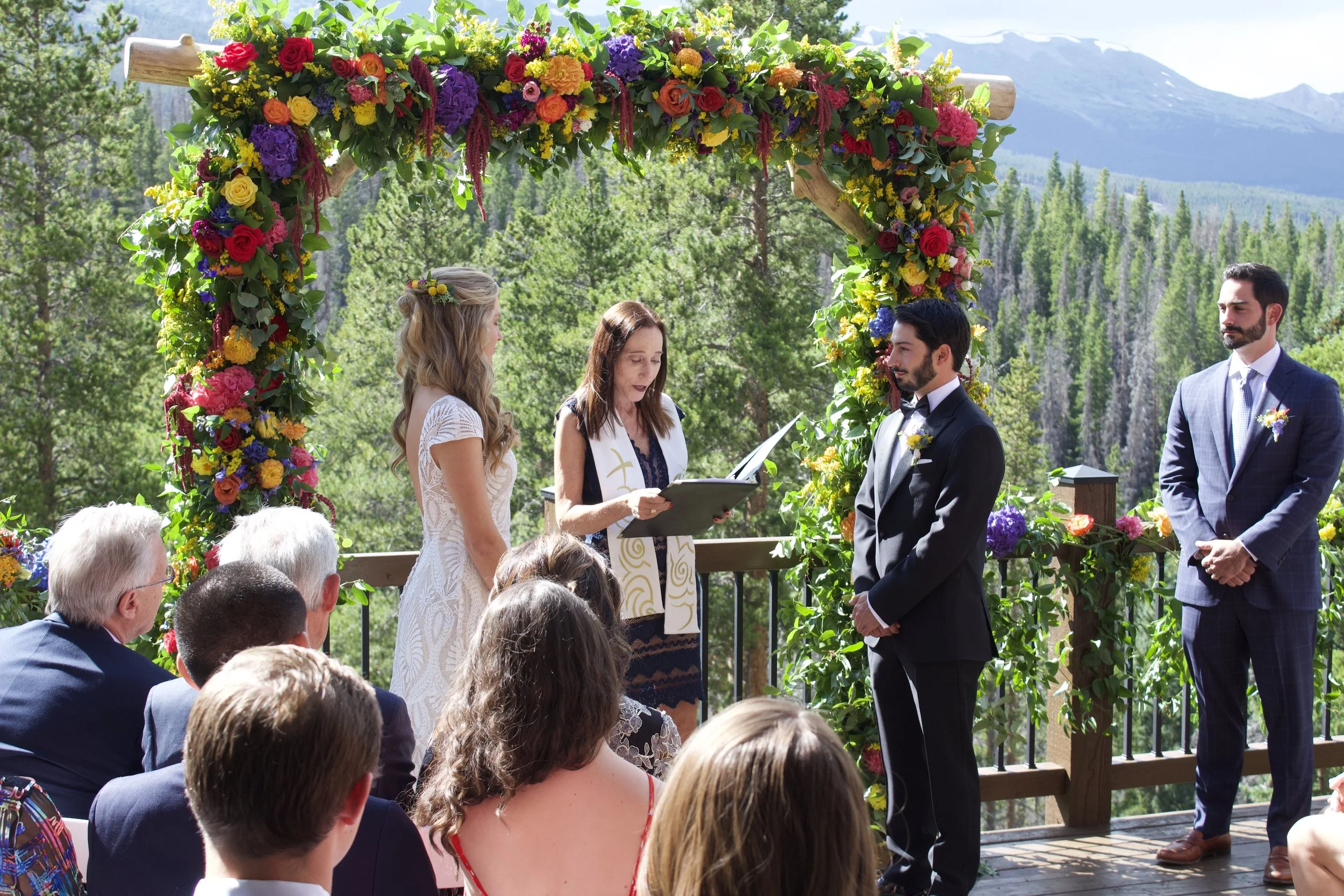
Understanding your wedding officiant options in Colorado
Colorado has something most states don't — complete freedom in who can legally marry you. No ordination required, no certification hoops to jump through. Your best friend from college, your grandmother, even your neighbor can sign your marriage license and make it official. After 25 years of officiating weddings across Colorado, I've seen how this flexibility creates opportunities, but also how it can overwhelm couples trying to figure out what's right for them.
Professional wedding officiants
When you hire a professional officiant, you're getting someone who's stood in front of hundreds of couples and knows exactly how to handle whatever comes up. At an outdoor ceremony a few winters back, a massive bull moose wandered right through the location just after the couple said "I do." That's Colorado for you. A good officiant doesn't panic when nature crashes the party, they roll with it and make it part of the story.
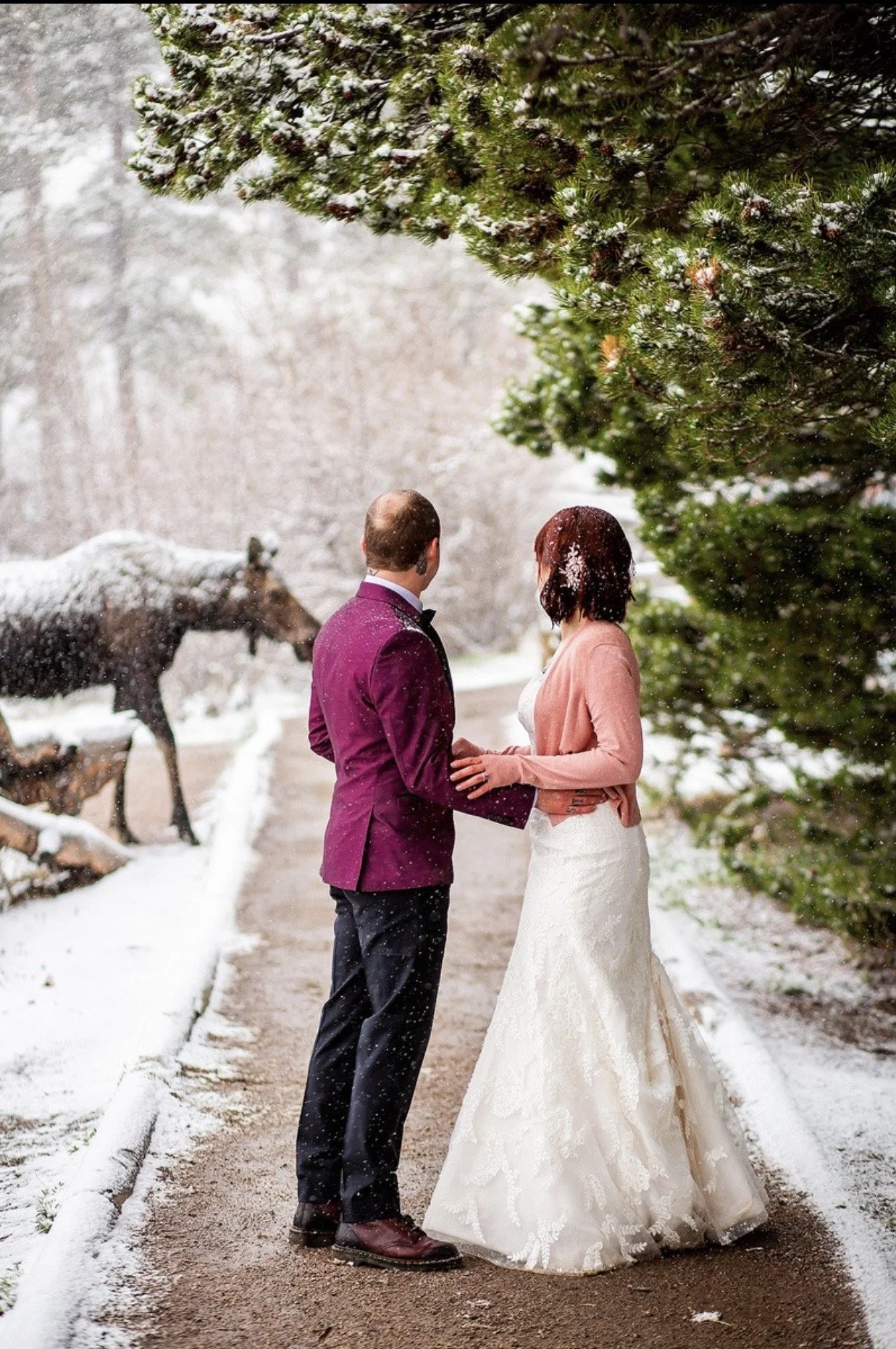
Beyond animal management, professionals bring structure to your ceremony planning. We know which questions to ask to draw out your story, how long each ceremony element typically takes, and when to pause for your photographer to capture the ring exchange. You're essentially hiring someone who thinks about weddings every day, not just on yours.
Religious or spiritual leaders
If faith anchors your relationship, having your rabbi, pastor, imam, or spiritual teacher officiate creates continuity with your beliefs. The familiarity can be comforting — this person has likely guided you through other life moments.
The complexity comes when partners have different faith backgrounds. Some religious leaders beautifully weave multiple traditions together. Others have strict requirements about ceremony content or won't perform ceremonies outside their place of worship. I've collaborated with many religious leaders over the years, and the flexible ones create truly moving interfaith ceremonies.
Friends or family members
There's something powerful about having your sister or best friend standing between you as you exchange vows. They know your inside jokes, witnessed your relationship develop, and their emotion is genuine because they love you both.
Here's what I've learned from coaching friends-turned-officiants: speaking at a wedding hits differently than any other public speaking. Your confident, eloquent friend might freeze when 150 people turn to watch them guide you through your vows. If you choose this path, plan for multiple practice runs and have tissues ready — they'll probably cry more than you will.
Self-solemnization (no officiant needed)
Colorado and Pennsylvania are the only states where you can literally marry yourselves. You sign your license together, file it with the county, done. I know couples who've exchanged vows alone on fourteeners at sunrise, making their commitment with only the mountains as witnesses.
For larger celebrations, self-solemnization gets tricky. Guests expect someone to guide the ceremony, tell them when to sit and stand, create a focal point. You could self-solemnize privately and have someone lead a ceremonial celebration, giving you both intimacy and structure.
Colorado's unique marriage laws for wedding ceremonies
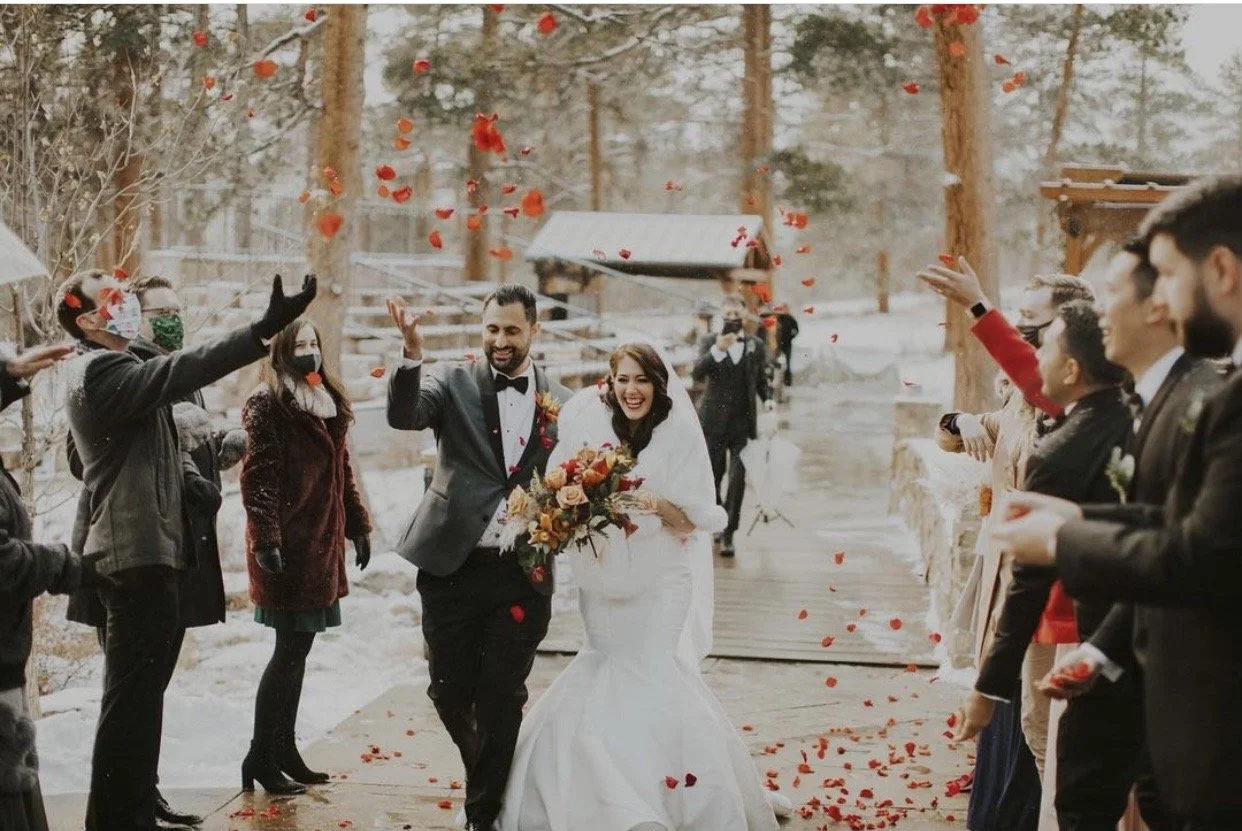
Let me break down what actually matters about getting married in Colorado. First, any county clerk's office can issue your license — you don't have to get it where you're marrying. Both of you go together with valid IDs and about $30. The license works immediately (no waiting period) and stays valid for 35 days.
Here's what surprises out-of-state couples: Colorado doesn't require witnesses. Most states want two signatures besides the couple and officiant. Here, you can have a completely private ceremony if that's your vision.
Anyone can officiate: Your officiant doesn't need ordination, online certification, or special permission
No witness requirement: Just you two and your officiant (or just you two if self-solemnizing)
License return deadline: Someone needs to return the signed license within 63 days
Name changes: If you're changing names, that's a separate process after the marriage is recorded
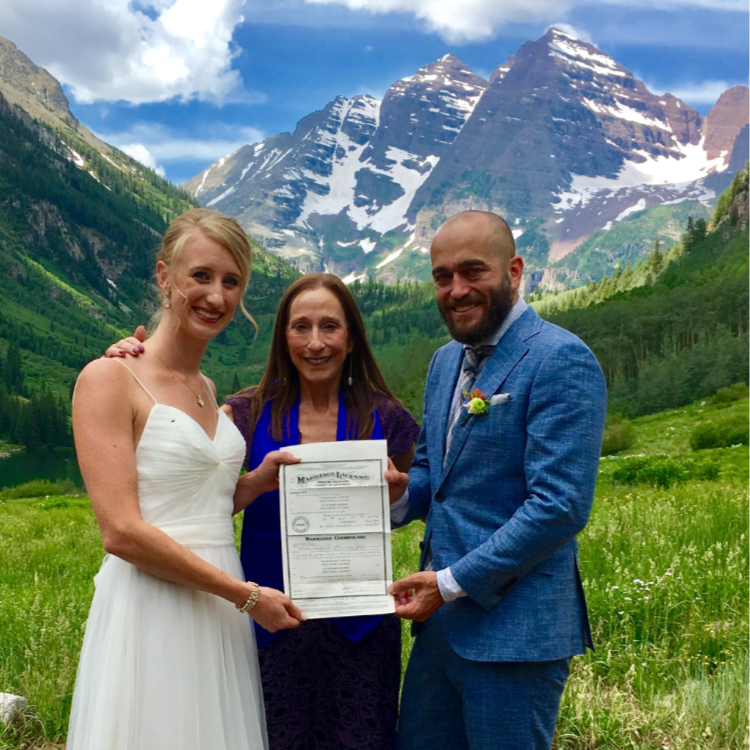
Weather and altitude factor into ceremony planning more than marriage laws. Above 8,000 feet, even fit people get winded. I've seen grooms pause mid-vows to catch their breath at Sapphire Point. Keep mountain ceremonies under 20 minutes, and always mention altitude to out-of-state guests so they can hydrate ahead.
Professional officiant vs asking someone you know
This decision usually comes down to what matters more: polished execution or personal connection. Neither choice is wrong, but each comes with trade-offs worth considering.
Professional officiants eliminate stress. We show up early, test the microphone, know where to stand for photos, and smoothly handle forgotten vows or ring-bearer meltdowns. We're also emotionally steady — caring about your ceremony without being so invested that we sob through the whole thing.
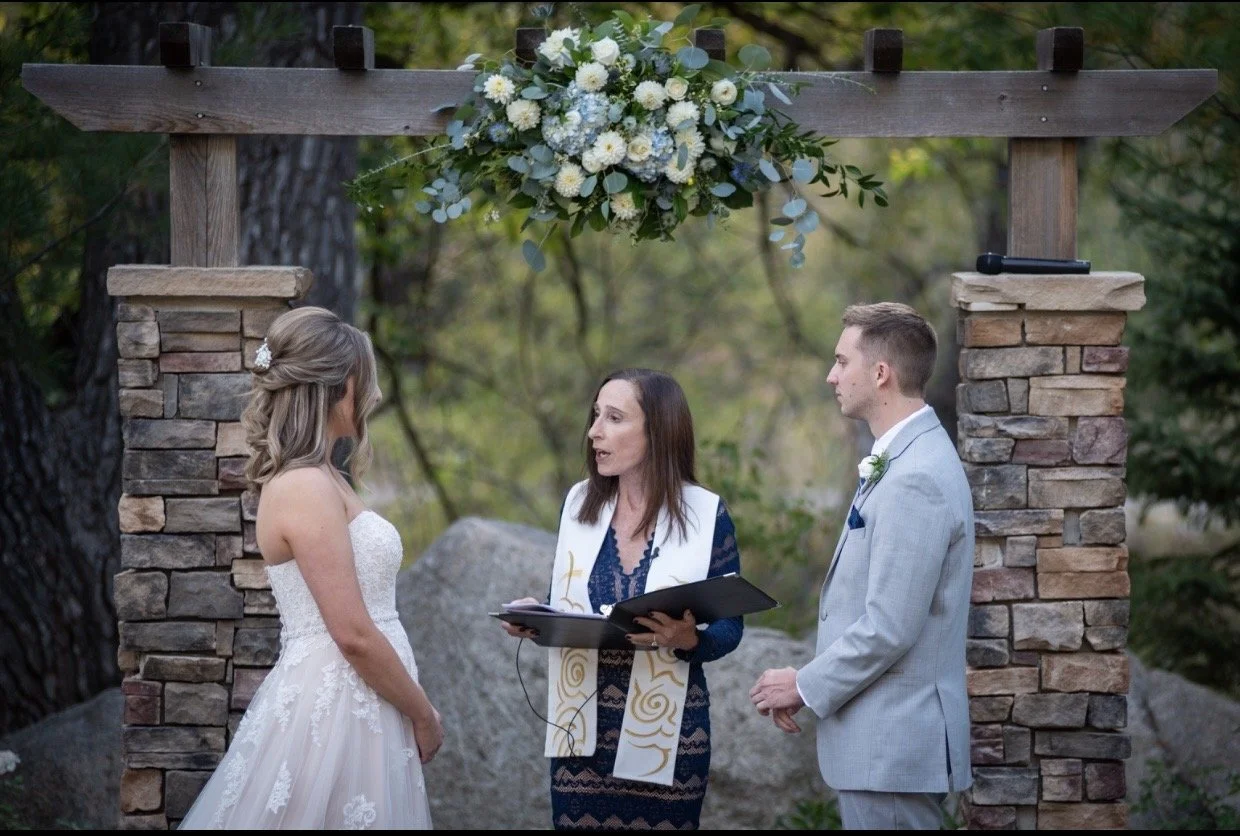
When friends or family officiate, you get raw authenticity. They can tell the story of your first date because they heard about it the next morning. Their voice might crack talking about how perfect you are together, and that emotion is real. But you'll spend more time preparing them, and you might worry about their performance instead of focusing on your partner.
Professional advantages: Experience with logistics, calm under pressure, polished delivery
Friend/family advantages: Personal stories, genuine emotion, meaningful connection
Hybrid option: Professional handles legal bits, friend does readings or blessing
When to start looking for your Colorado wedding officiant
Start searching 6-9 months before your wedding date. Peak season (June through September) books up fastest, especially for popular venues. Red Rocks ceremonies, Chautauqua weddings, and Spruce Mountain Ranch dates fill a year in advance.
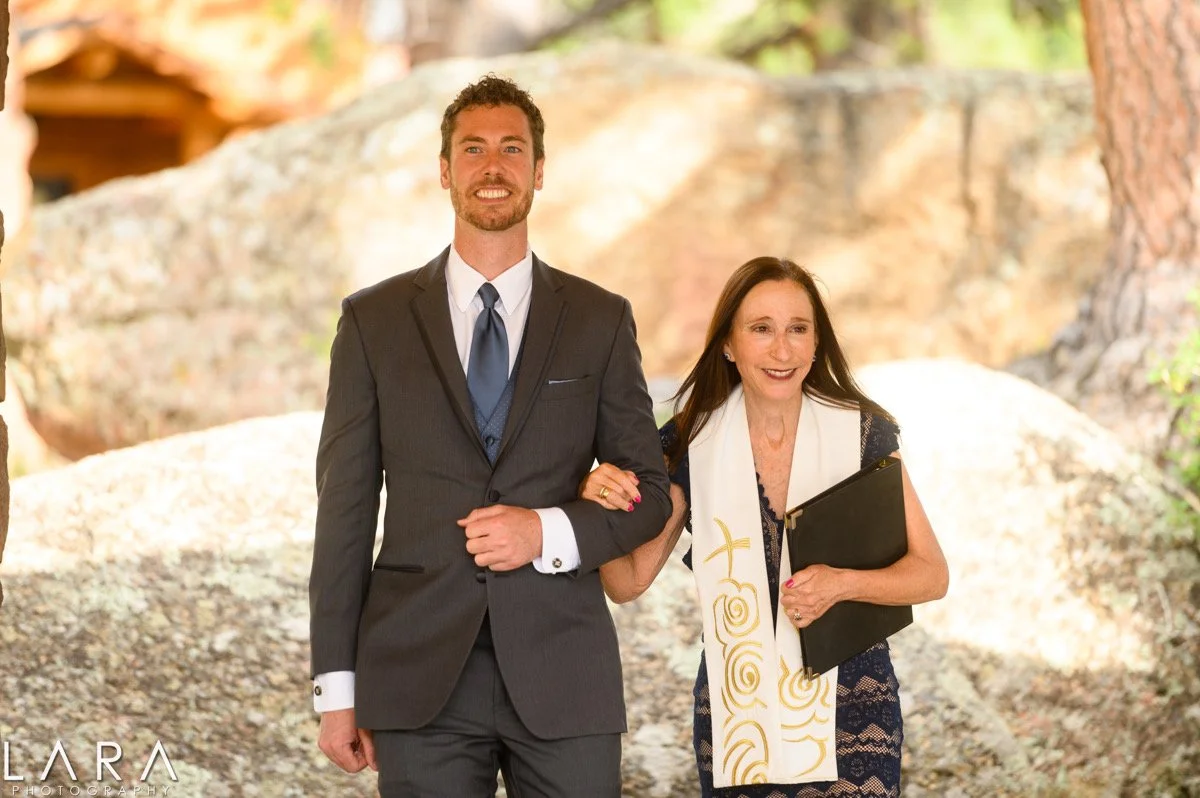
Holiday weekends disappear even faster. If you're planning a Fourth of July or Labor Day weekend wedding, add three months to your timeline. For winter weddings or weekday ceremonies, you have more flexibility — though experienced officiants who handle Colorado's unpredictable weather still book up.
Elopements are different. With just the two of you, scheduling is easier. I've crafted meaningful ceremonies with just a month's notice. But even for elopements, starting early means you get your first choice of officiant, not whoever's left.
Essential questions to ask potential officiants
The right questions help you figure out if an officiant matches your vision. These conversations reveal as much through how they answer as what they say.
Questions about experience and approach
Start basic: How many weddings have you officiated? What's your typical ceremony style? Then get specific. Ask about ceremonies similar to yours — same venue, same size, same cultural background.
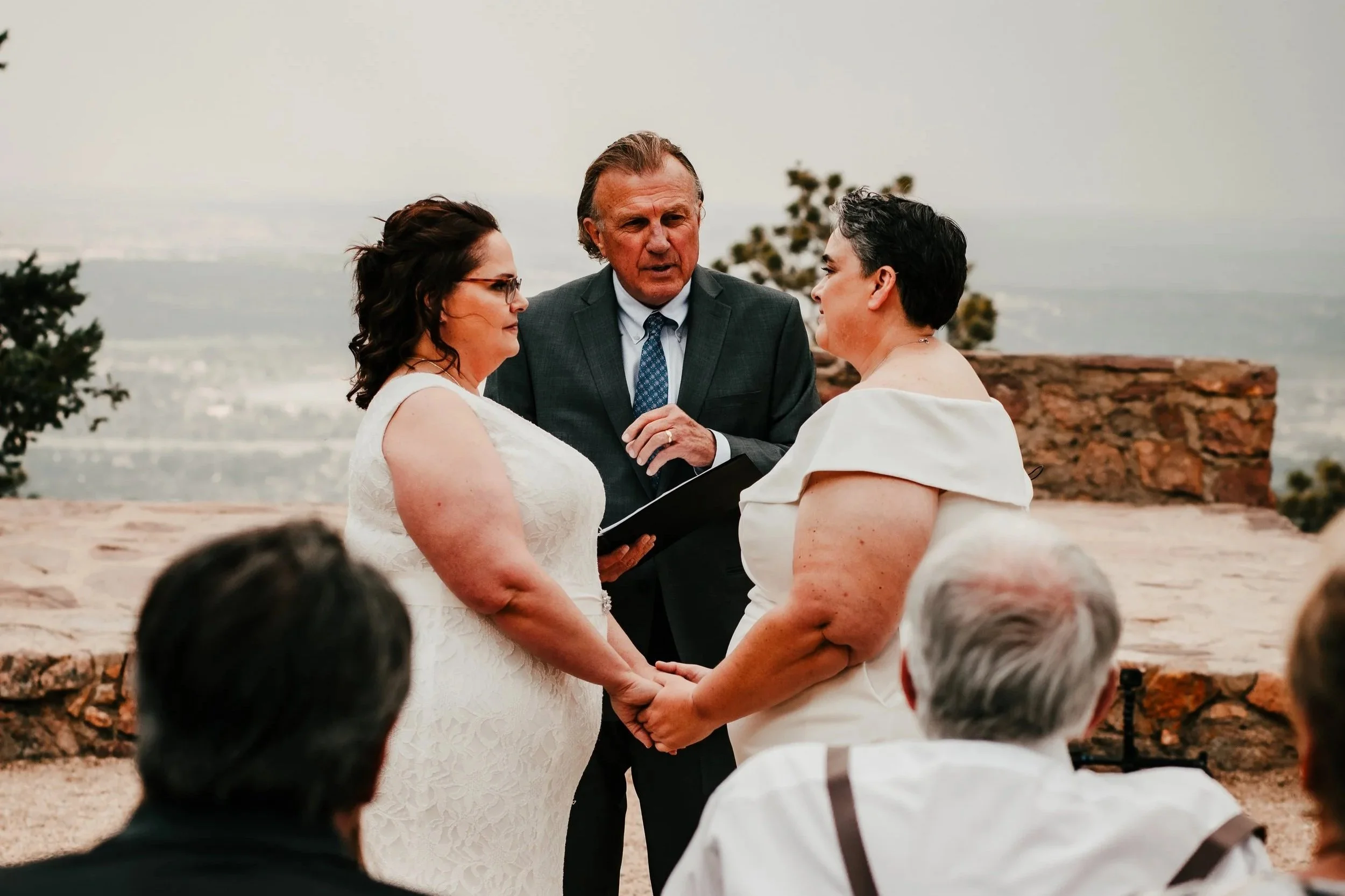
If you're planning an interfaith ceremony, how have they honored multiple traditions before? For LGBTQ+ couples, what's their experience with inclusive language? Want humor in your ceremony? Ask them to describe a funny moment they've incorporated. Their enthusiasm (or lack thereof) tells you everything.
Questions about personalizing your ceremony
Generic ceremonies happen when officiants don't invest time learning your story. Ask directly: What's your process for getting to know couples? How do you gather our information? What makes each ceremony unique?
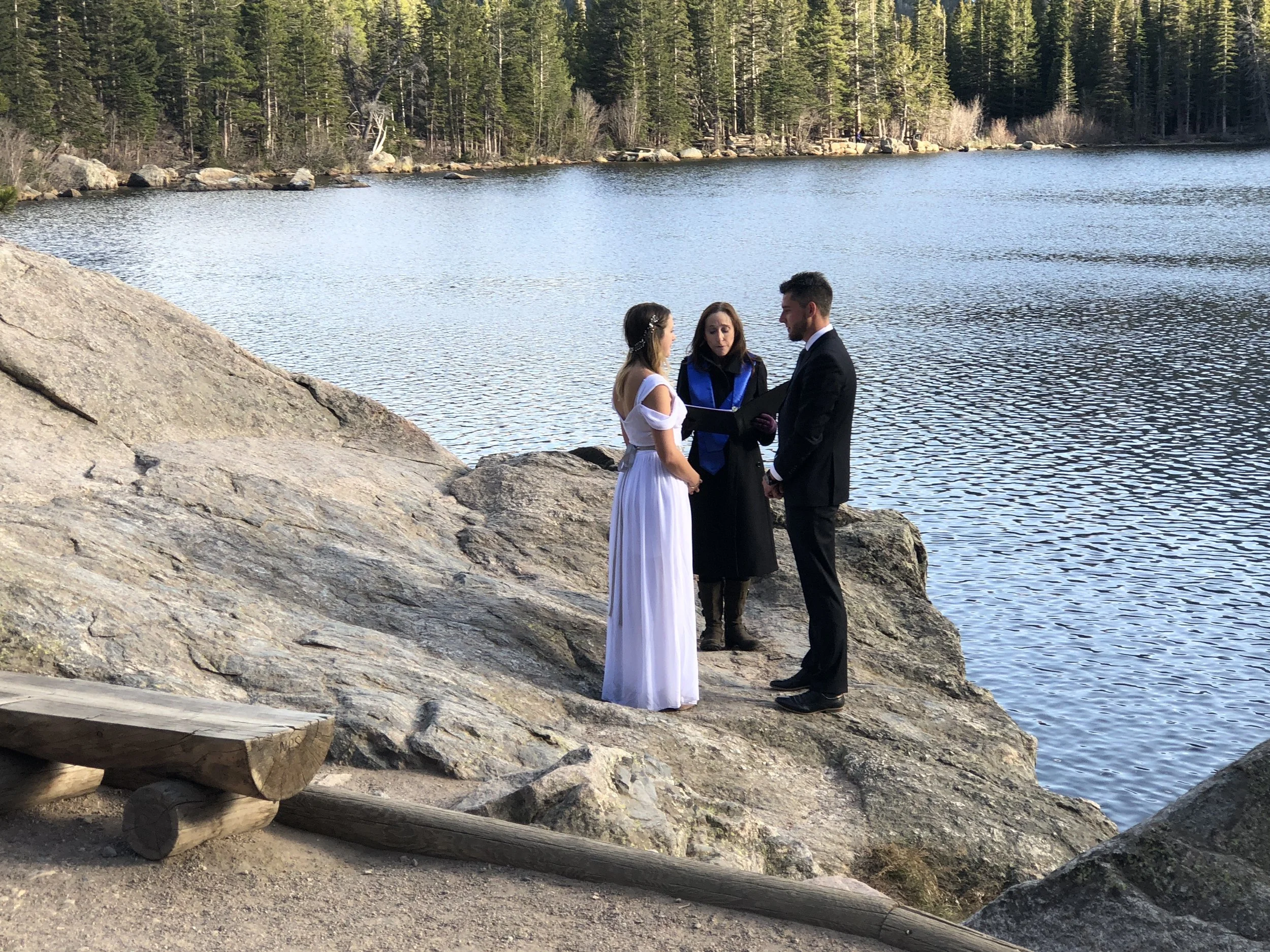
Look for officiants who want at least one real conversation before your wedding. Some send questionnaires, others prefer video calls. The method matters less than their genuine interest in your relationship. Ask for a ceremony sample or references — you'll quickly sense if they recycle the same script or truly personalize each one.
Questions about logistics and coordination
Practical details prevent day-of stress. Will they attend your rehearsal? How early do they arrive? What's their backup plan for illness? For Colorado ceremonies, weather contingencies are crucial. How do they handle wind that drowns out voices? Sudden afternoon thunderstorms?
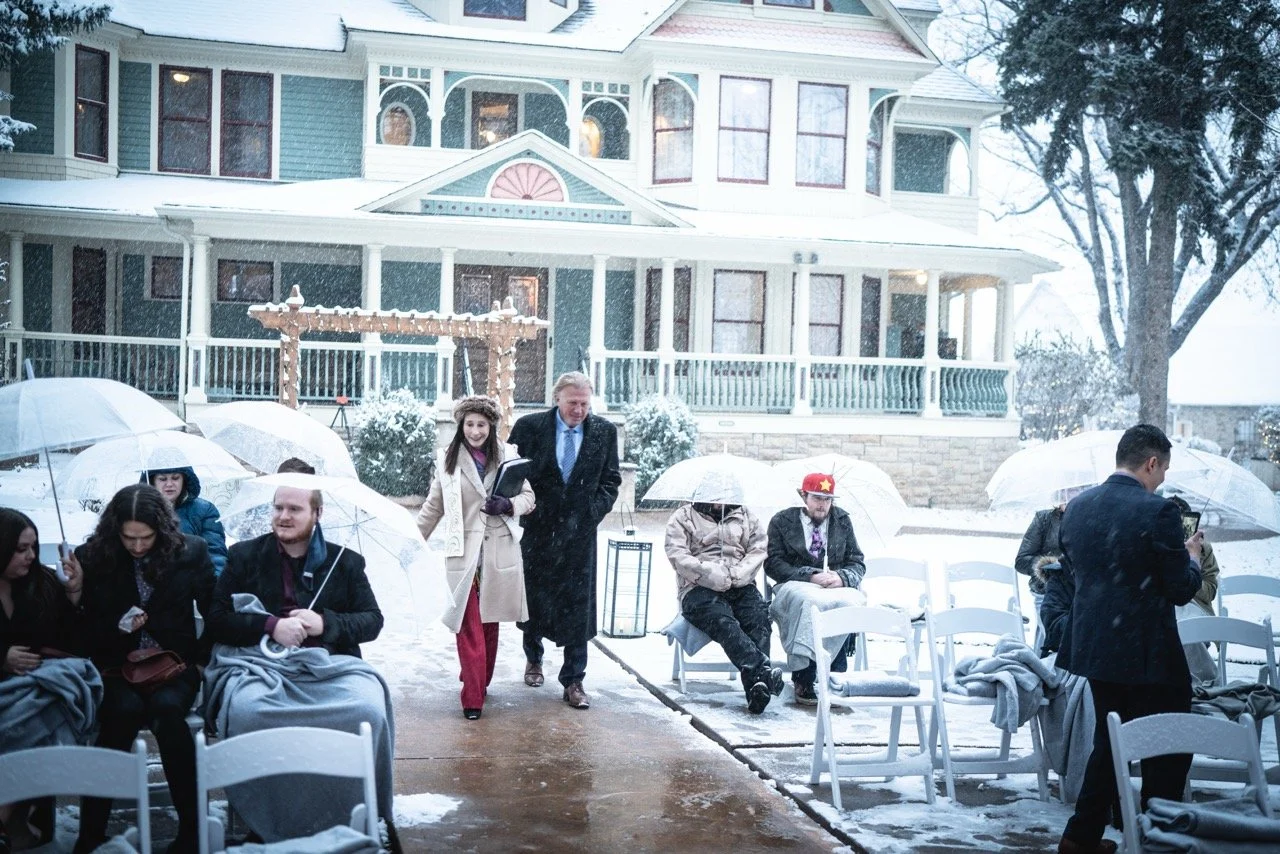
Don't forget vendor coordination. Experienced officiants check with photographers about timing, coordinate with musicians on cues, and know when to step aside for key photos. Small details, big impact.
Reading personality fit and speaking style
You could find Colorado's most experienced officiant, but if your personalities clash, it won't feel right. Trust your gut during that first conversation.
Watch for red flags: inflexibility about ceremony content, dismissiveness of your ideas, or pushing their preferred style over yours. The best officiants adapt to you. They might suggest ideas based on experience, but they never insist.
Pay attention to their speaking style too. Some officiants are naturally theatrical, others more understated. Neither is wrong, but one will feel more authentic to your celebration. If possible, watch video clips of them officiating — some people transform completely in ceremony mode.
Red flags to watch for during your search
Some warning signs are obvious — no response to emails, wildly different pricing for the same service, refusing to meet before your wedding. Others are subtler but equally important.
Be cautious of officiants who seem to use the same ceremony template repeatedly. While some structure helps, your ceremony shouldn't sound like three others from last weekend. If they can't remember which couple you are during conversations, that's concerning.
Watch for these specific issues:
Judgment about your choices: Any negativity about interfaith, secular, or non-traditional ceremonies
Vague about experience: Can't provide specific examples or references
No backup plan: Solo operators without coverage for emergencies
Package pushing: Insisting you need unity ceremonies or readings you don't want
Making your final officiant decision
After all your meetings and research, the choice often comes down to feeling. Which officiant made you both smile? Who seemed to really understand your relationship? Sometimes it's the one who remembered small details from your first conversation or who made your nervous partner laugh.
Consider practical factors too. If one includes rehearsal coordination and another charges extra, factor that in. Be honest about priorities — would you rather have your brother's heartfelt (if nervous) delivery or a professional's polished presence?
Once decided, book immediately. Send the contract and deposit right away. Good officiants often handle multiple ceremonies per weekend, and you don't want to lose your first choice while deliberating.
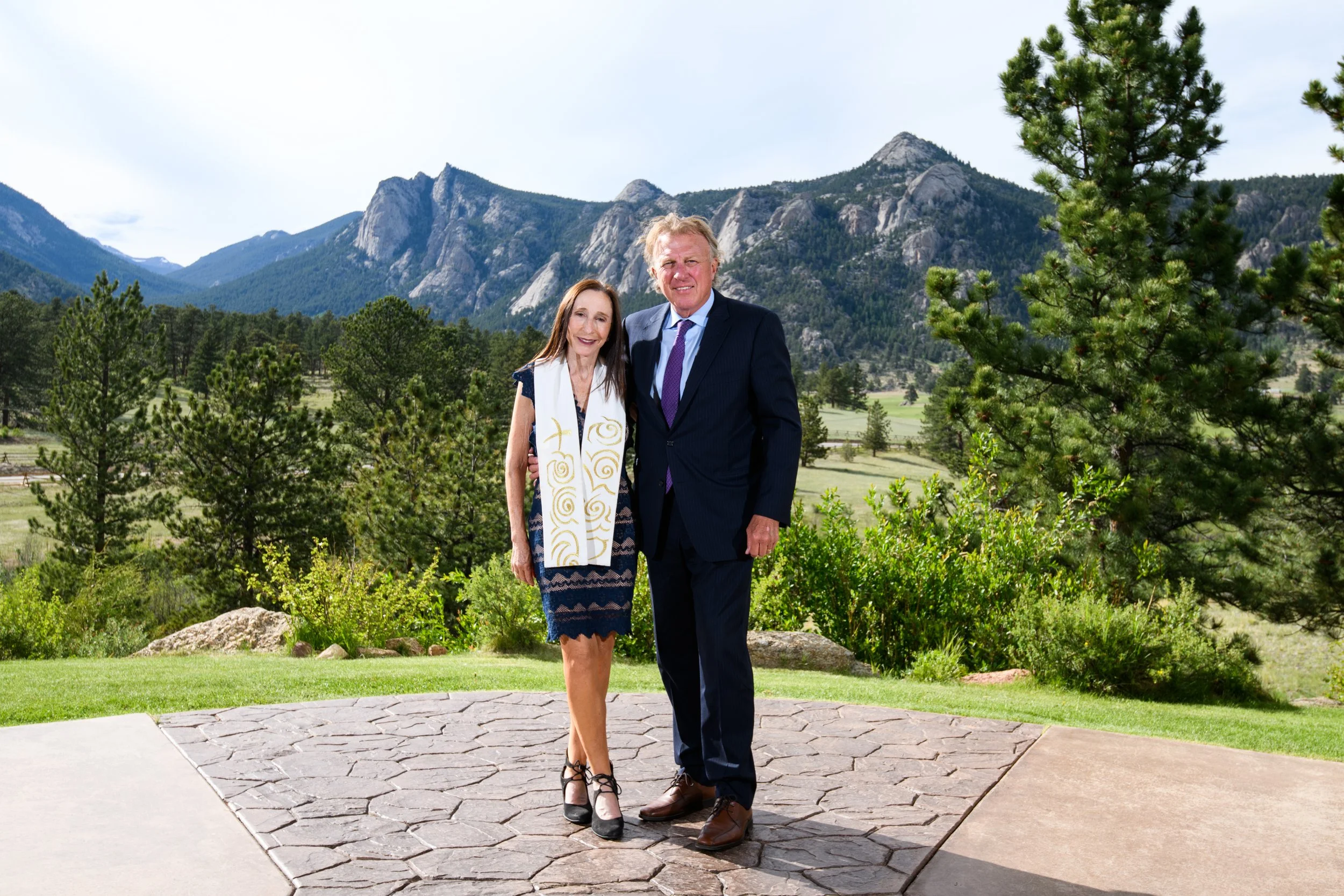
Book your free consultation with Jane to explore how a personalized ceremony can honor your unique story.
FAQ
How much does a wedding officiant typically cost in Colorado?
Professional officiants in Colorado charge between $400-$1,200, with most falling around $600-$800. Price varies based on experience, travel distance, and included services. Basic ceremony-only services cost less than packages with unlimited consultations and rehearsal coordination. Mountain ceremonies often cost more due to travel time and altitude considerations.
Can we have both a friend and professional officiant involved?
Yes, many couples choose a co-officiant approach. A professional might handle the legal elements and ceremony flow while your friend shares personal stories or readings. Another option is having a professional coach your friend beforehand. This gives you personal connection with professional polish.
What if my partner and I want different ceremony styles?
This happens often — one partner pictures traditional vows while the other wants something contemporary. A skilled officiant helps find middle ground. Maybe you blend traditional elements into a modern framework or alternate between formal and casual moments. The key is discussing both visions during planning.
How far will Colorado officiants travel for mountain venues?
Most Colorado officiants have a home base but travel statewide. From Boulder, officiants regularly work in Vail, Aspen, Estes Park, and Telluride. Travel fees typically apply beyond 30-60 minutes. For remote mountain venues, confirm your officiant is comfortable with altitude and access roads.
Do we need a backup plan if our friend officiant gets nervous?
Yes, especially for first-time officiants. Options include having them do readings instead, pre-recording their ceremony speech, or having a professional on standby. Multiple practice runs build confidence. Many friend officiants do beautifully with proper preparation and support.
